
 100% Confidential






Experiential therapy can help you:
- Recognize stress and emotional triggers earlier
- Build confidence through action
- Stay grounded instead of shutting down or escalating
- Communicate more clearly
- Practice coping skills before using them in daily life
Hands-On Therapy That Helps You Learn by Doing
At Indiana Center for Recovery, experiential therapy is built into your personalized treatment plan. It works alongside individual therapy, group therapy, and other evidence-based approaches. Experiential therapy allows you to practice emotional regulation and communication skills in real-world scenarios.
Skills You Practice in Experiential Therapy
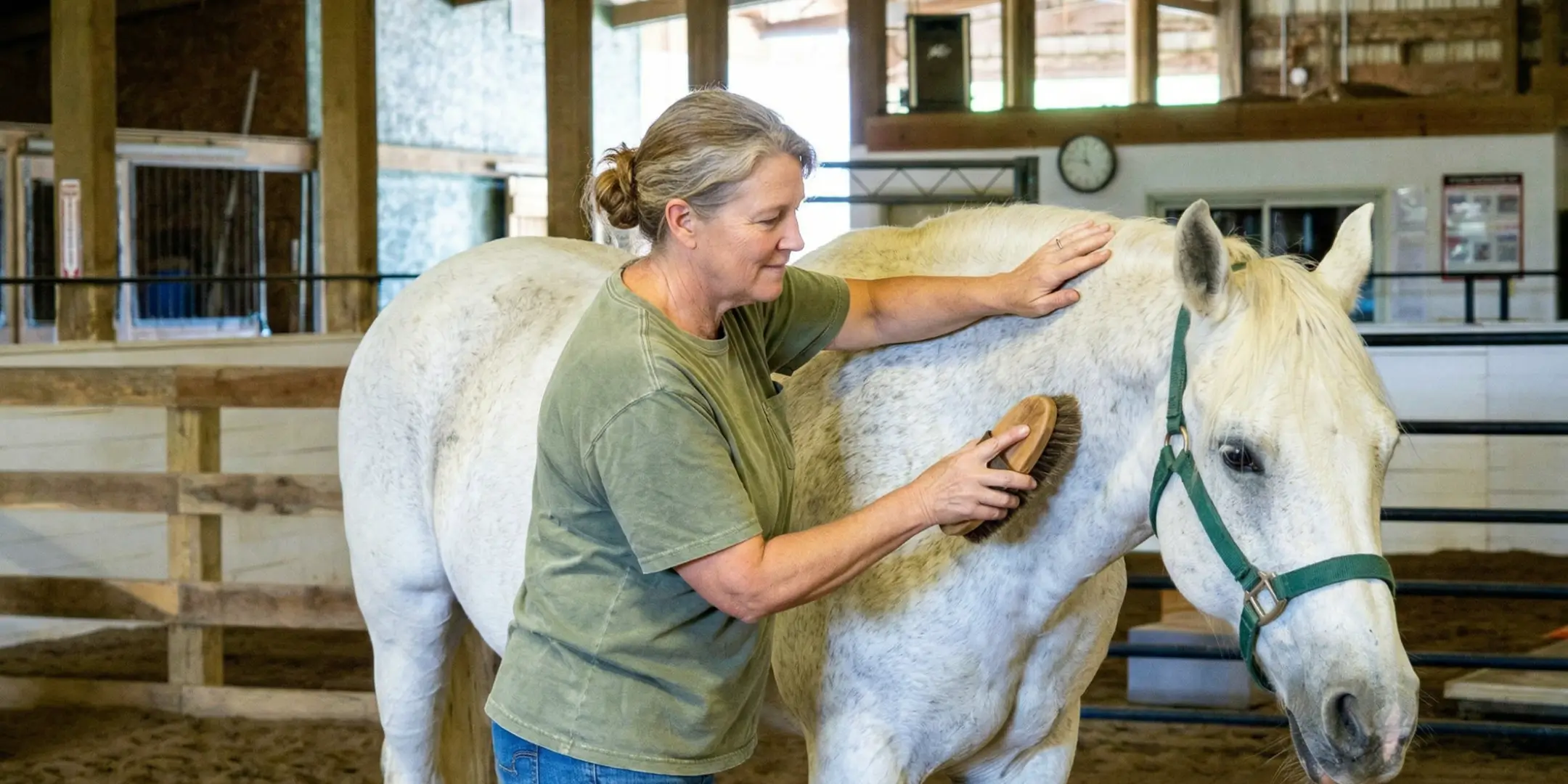
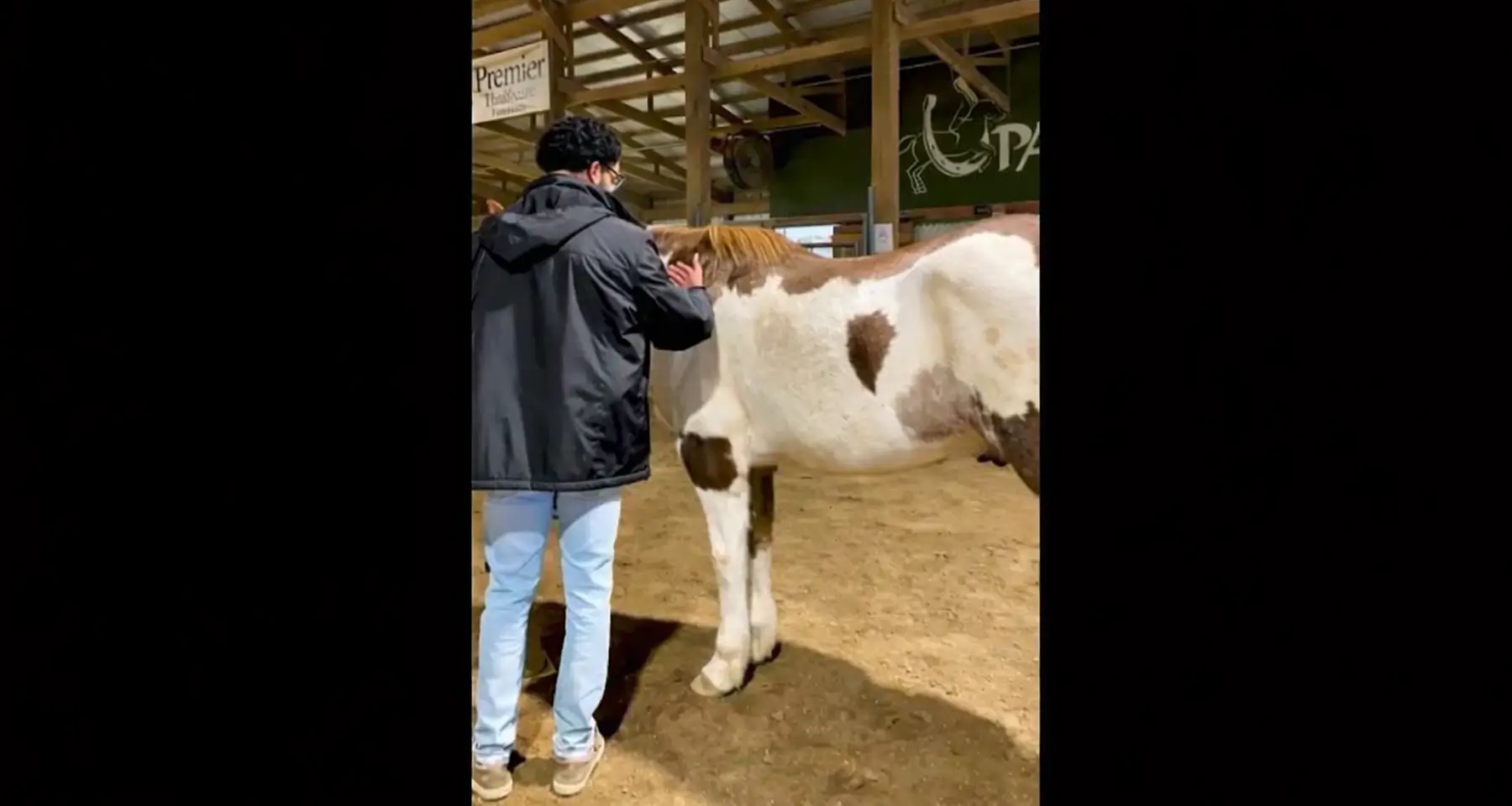
- Grooming and leading a horse while learning how your body language affects others
- Using painting or drawing to express emotions that feel hard to verbalize
- Participating in structured drumming exercises to regulate breathing and stress
- Following a trauma-informed yoga session with a certified instructor to calm the stress response
- Practicing boundary-setting through guided role-play
What Can Experiential Therapy Help With?
Hands-on therapy can be especially helpful when emotions feel overwhelming, having trouble opening up, or hard to explain. Experiential therapy can help with:
- PTSD & Trauma-Related Conditions
- Emotional Dysregulation
- Anxiety & Panic Disorders
- Boundary & Communication Issues
- Depression & Mood Disorders
- Many Other Mental Health & Addiction-Related Conditions
- Substance Use & Relapse Triggers
Examples of Experiential Therapies Offered at ICFR
These hands-on therapies give you space to open up in a way traditional talk therapy hasn’t.
Therapists Specialized in Experiential Therapies
Experiential therapies are facilitated by licensed clinicians and certified instructors who understand how trauma, stress, and addiction affect the mind and body. Their role is to guide each session, help you process what comes up, and support you as you practice new ways of responding to difficult emotions.

Art Therapist
Ashley is a registered art therapist and licensed mental health counselor with over four years of experience. She works with adults facing substance use and mental health challenges and uses art therapy to support healing, self-expression, and growth.
Yoga Instructor
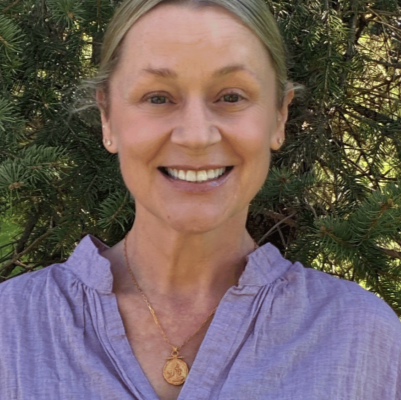
Kelly discovered yoga in early recovery and found it to be a powerful path to healing and self-compassion. Grounded in her 12-step foundation, she now serves others in recovery by creating supportive, trauma-informed spaces that nurture the mind-body-spirit connection. She believes yoga helps uncover the strength and wholeness already within.

Therapist
Lily is a therapist and group facilitator at Indiana Center for Recovery who incorporates ukulele and song into her groups. She uses music to foster connection, reflection, and emotional expression. Lily believes music reminds us that it’s okay to ask for help — and just as meaningful to offer it — completing the circle of support.
Hundreds of 5-Star Reviews


I have nothing but good things to say about ICFR. The staff was caring and empathetic.
I truly felt they cared about me as an individual and the struggles I had leading up to my stay.
I was at ICFR for 7 weeks. I really enjoyed learning meditation skills (led by Colin). He was able to teach the class in a way where I learned to be present in the moment and practice mindfulness skills. The food was also great. There were activities such as volleyball, corn hole, basketball, bowling and hiking. I got my life back and don’t EVER plan on going back to the place I was before going to ICFR.

It’s hard to put into words how grateful I am for this place. I was able to do a full three months and I can honestly say I experienced more growth and healing in that 3 months than I have in all the time since I first sought out help 8 years ago. ICFR provided me with a holistic recovery environment – but the setting and tools provided were only effective because they are facilitated by SO MANY people who care; many of whom had their own personal experience in recovery from mental illness and/or addiction. The things I benefited from at ICFR were: group therapy, group outings, individual therapy, art therapy, Yoga Nidra, Kaiut Yoga, meditation, music therapy, living with and connecting to other clients, conversations with staff, decent food, a nice gym, bowling, ping pong, frisbee, and group walks. Everyone from Operations staff, clinical staff, medical staff, group facilitators, therapists, techs, and housekeeping had a part in my experience at ICFR. There is so much passion, empathy, knowledge, support, and love that exudes from each of these individuals, and that is what makes ICFR so great.

This is an excellent facility that focuses on getting your addiction and mental health back on track. The staff is very friendly and helpful. You will feel truly welcomed, and cared for. You get 2 tv’s per bedroom. They have yoga, a great gym, you get smoke breaks every hour. Overall if I ever had to come back or refer someone to treatment I’d recommend this one!

Insurance & Getting Started
Most major insurance plans are accepted. Experiential therapies are typically included as part of a comprehensive treatment program, and many are offered at no additional cost to your or your insurance.
A confidential assessment can help determine the right level of care and verify your insurance benefits. The admissions team can walk you through coverage and next steps so you know exactly what to expect.
 Verify Your Insurance






 100% Confidential
 Call
Call  Available Now

 Call (844) 650-0064
