Everything You Need to Know About Addiction

Addiction affects millions of people and their families. It changes how the brain works, making urges feel impossible to resist and leaving many stuck in a cycle they can’t break on their own.

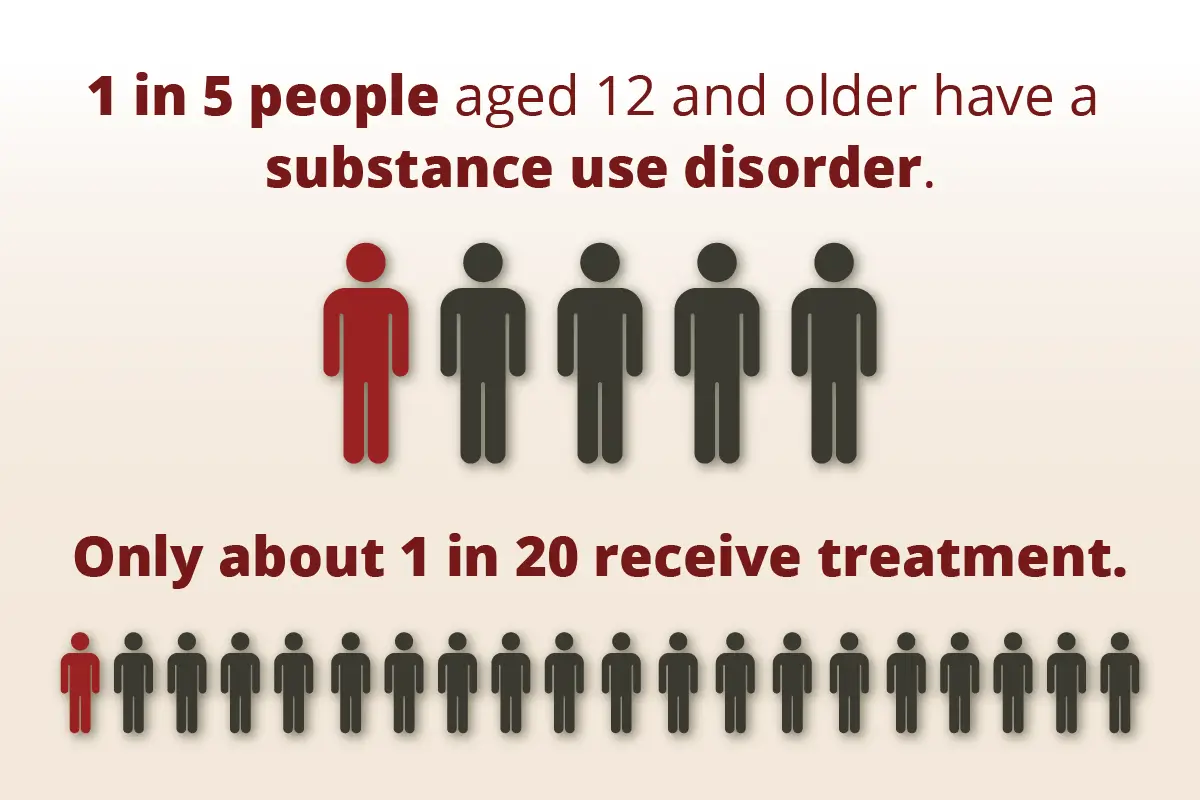
In Indiana, nearly 1 in 5 people aged 12 and older have a substance use disorder. Despite that, only about 1 in 20 receive treatment

We’ve gathered helpful resources, along with our blog articles, to offer clarity, comfort, and a place to start.

What is Addiction?

Addiction, or Substance-Use Disorder (SUD), is a condition that makes people keep using drugs or alcohol, even when it’s causing problems. It changes how the brain works, especially around decision-making, pleasure, and self-control. That’s why quitting can be so hard, even if someone wants to stop.
“Infographic showing that 1 in 5 people aged 12 and older have a substance use disorder, illustrated by one red figure among five, and that only about 1 in 20 receive treatment, shown by one red figure among many gray figures.

Common signs of addiction include

  • You have strong urges or cravings to use drugs or alcohol
  • You’re using more than planned, or more often
  • You’re not being able to quit, even after trying
  • You’re falling behind at work, school, or home
  • You need more to get the same effect
  • You feel sick, anxious, or upset when you’re not using substances


Addiction can involve many substances, including:

  • Alcohol – linked to serious health and highly addictive when misused
  • Opioids – painkillers, heroin, and fentanyl
  • Stimulants – cocaine, meth, or some ADHD meds
  • Benzos – anxiety medications like Xanax or Ativan

Addiction Treatment Options

Addiction treatment isn’t one-size-fits-all. Effective addiction treatment addresses more than just substance use—it also supports mental health, physical well-being, and the everyday struggles that can get in the way of recovery.

Medical Detox
Detox is often the first step, especially for substances like alcohol, opioids, or benzos. Medical supervision can ease withdrawal symptoms and make the process safer and more manageable.
Learn More About Our Detox
Inpatient (Residential) Treatment
Inpatient programs provide 24/7 care in a structured setting. These programs focus on therapy, skill-building, and stability, giving people time and space to reset.
Learn More About Our Residential Treatment
Outpatient Programs
Outpatient care offers more flexibility, allowing individuals to attend treatment during the day while living at home or in a sober living environment.
Learn More About Our Outpatient Treatment
Dual Diagnosis Treatment
Many people with addiction also face mental health conditions like depression, anxiety, or trauma. Dual diagnosis treatment addresses both at the same time.
Learn More About Our Dual Diagnosis Treatment
Medication-Assisted Treatment (MAT)
For opioid or alcohol addiction, medications like Suboxone, methadone, or Vivitrol can reduce cravings and lower the risk of relapse.
Learn More About Our MAT Program

Immediate Help for Addiction

Indiana Center for Recovery

  • 24/7 support line, fast admissions, crisis and high-psych options, and a full range of addiction and mental health services to provide unbiased, expert advice.

SAMHSA National Helpline

Indiana 211

  • Search for housing and active crisis support in Indiana.

Read Addiction Articles

Below are over 100 articles on the topic of addiction all reviewed by our Chief Medical Officer, Dr. Kane.

MAT: Medication-Assisted Treatment for Addiction

Dr. Michael Kane, MD, CAP

Dive into the comprehensive guide on Medication-Assisted Treatment (MAT) for addiction at Indiana Center for Recovery. Understand how MAT combines FDA-approved medications with counseling to combat opioid and alcohol addiction effectively, ensuring a tailored approach to recovery.

Ketamine Therapy: Types, Therapeutic Uses, Benefits, and Side Effects

Dr. Michael Kane, MD, CAP

Explore the innovative world of Ketamine Therapy at Indiana Center for Recovery. Delve into its types, therapeutic uses, and how it offers hope for those with treatment-resistant depression, chronic pain, and other conditions, while understanding its benefits and side effects.

How Long Does Your Brain Take To Recover From Drugs?

Dr. Michael Kane, MD, CAP

Long-term use of drugs and alcohol increases the risk of brain-related health problems, including cognitive decline and mental illness. The sooner someone gets help for drug addiction, the sooner their brain can heal and recover from the effects of drugs.

How Family Members of Addicts Cope

Dr. Michael Kane, MD, CAP

If you or a loved one is battling addiction, Indiana Center for Recovery is a leading treatment facility that offers family addiction treatment.

How Addiction Recovery Stories Inspire Change

Dr. Michael Kane, MD, CAP

Be inspired by real-life addiction recovery stories at Indiana Center for Recovery. Discover how sharing and hearing these powerful narratives can foster hope, encourage healing, and motivate positive change in the journey towards sobriety.

Healing the Heroes: Addiction Treatment for First Responders

Dr. Michael Kane, MD, CAP

Explore specialized addiction treatment for first responders at Indiana Center for Recovery. Addressing unique challenges, our programs offer a supportive path to recovery, emphasizing privacy, understanding, and tailored care for heroes in need.

Overcome Addiction at Indiana Center for Recovery!

Indiana Center for Recovery provides integrated care tailored to your recovery needs. Our comprehensive services include detox, residential programs, outpatient support, and family programs.

We also have dual diagnosis treatment for individuals with co-occurring mental health disorders.

call us Call (844) 650-0064

chat-icon Verify Your Insurance

call us
Indiana Center for Recovery Staff
Get Answers Now

You don’t have to figure this out alone. We can guide you through your options—completely confidential and with zero commitment.