
 100% Confidential


What Happens After a DUI in Indiana (OWI Laws, Costs, and Treatment Options)
Clinically Reviewed by:

A DUI in Indiana, legally called an OWI, doesn’t just stay on paper. It affects your license, your schedule, and what you’re dealing with over the next few weeks.
If you’re dealing with this right now, you’re probably trying to figure out what happens next and whether there’s anything you can do that actually helps.
The truth is, you can’t undo the arrest, but what you do next can influence how your case is handled.
This guide walks through what actually happens after a DUI in Indiana, what the process looks like, and where addiction treatment can realistically make a difference.
What Happens When You Get a DUI in Indiana
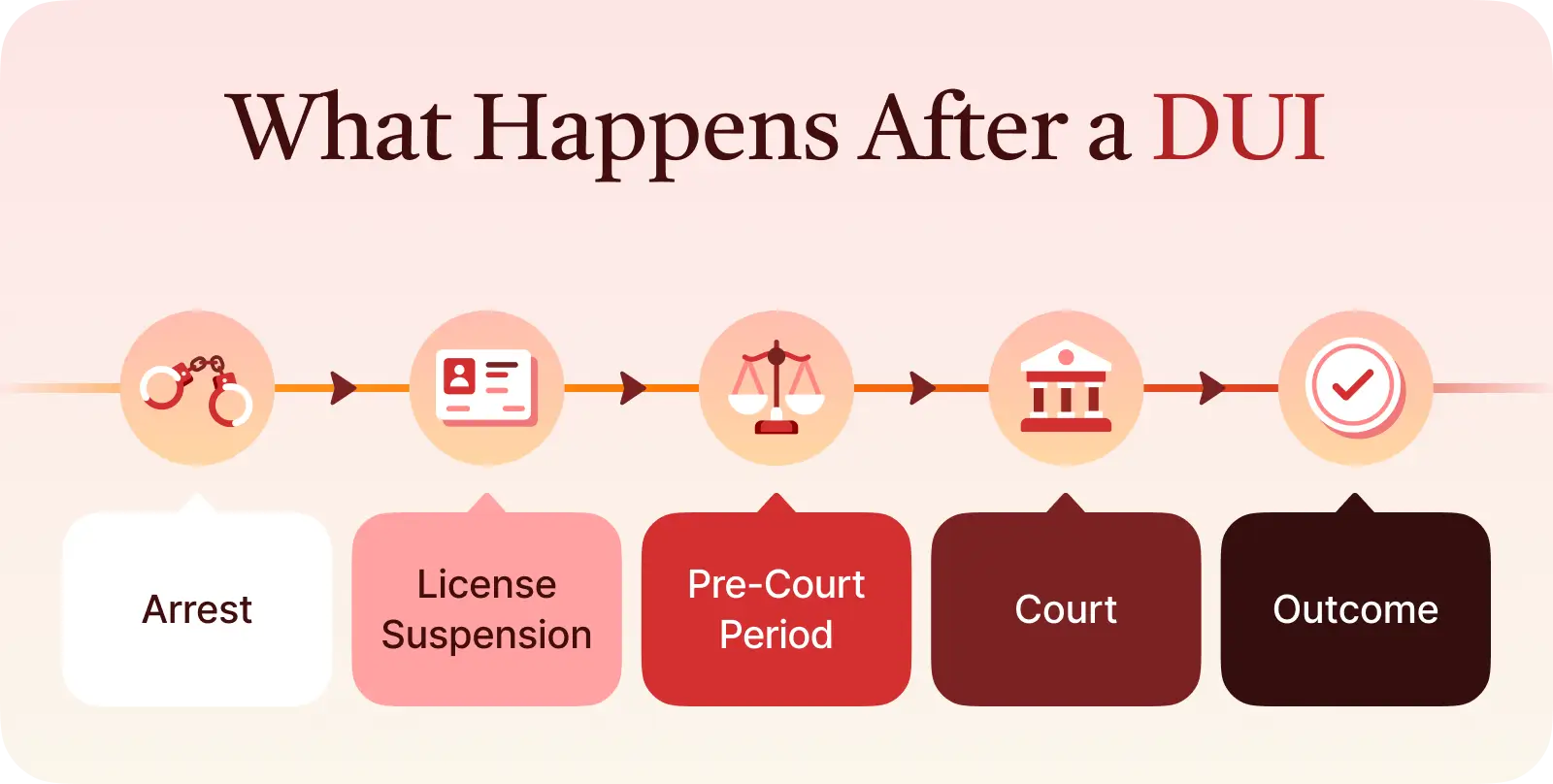
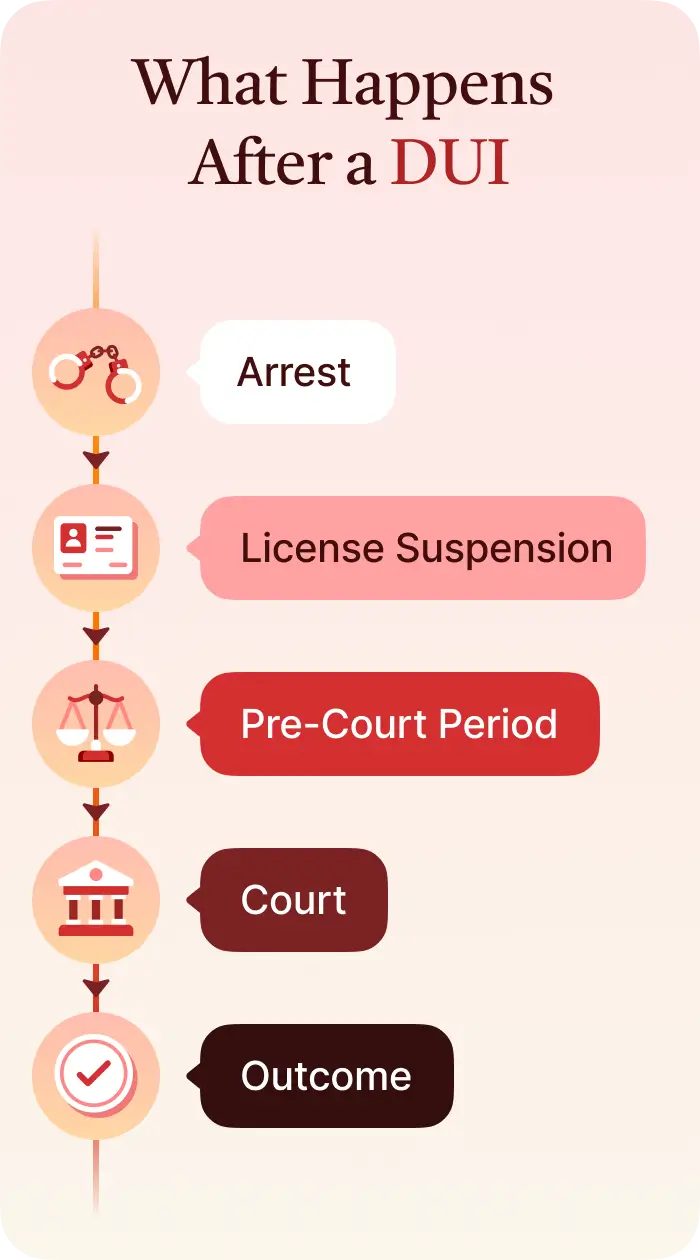
After an OWI arrest, things move faster than most people expect. There are two tracks happening at the same time: your license status and your court case.
First, you may be taken into custody, searched, and taken to the police station. Your vehicle may also be towed at your expense. You’ll usually be asked to take a certified breath test. Under Indiana’s implied consent law, refusing that test can lead to an automatic one-year license suspension. If you take the test and your BAC is 0.08% or higher, your license can be suspended for at least 30 days. Bail may also need to be posted before release.
The time between your arrest and your court date matters. This is when many people speak with an attorney, gather paperwork, complete an evaluation, or decide whether to take proactive steps. Courts don’t only look at the arrest. They also look at how you respond afterward.
At your court hearing, the judge considers the details of the arrest, your prior history, whether anyone was put at risk, and what you’ve done since. Depending on the case, outcomes can include fines, probation, license restrictions, required education, treatment-related requirements, or jail time.
Indiana DUI and OWI Laws
In Indiana, DUI is legally referred to as OWI, which stands for Operating While Intoxicated. ⓘ
OWI Meaning
An OWI means the state believes your ability to operate a vehicle was impaired by alcohol or drugs.
That can be based on:
- Blood alcohol level
- Officer observations
- Driving behavior
An OWI can be charged if your BAC is 0.08% or higher, or if alcohol or drugs impair your ability to drive safely, even without hitting a specific number.
DUI vs OWI in Indiana
There’s no real legal difference in Indiana. OWI is simply the correct legal term used in court.
Most people still refer to it as a DUI, because that’s the term it’s commonly known by. But if you’re dealing with charges, paperwork, or court proceedings in Indiana, you’ll see it listed as OWI.
Legal BAC Limits in Indiana
- 0.08% for most drivers
- 0.04% for commercial drivers
- 0.02% for drivers under 21
Is a DUI a Felony in Indiana?
Most first-time DUI (OWI) charges in Indiana are misdemeanors.
However, it can become a felony if:
- Prior DUI/OWI convictions
- Causing serious injury to another person
- Driving in a way that puts others at significant risk
How Likely Is Jail Time for a First DUI in Indiana?
Jail time is possible, but not automatic.
For many first-time cases without aggravating factors:
- Jail time may be reduced or suspended
- Probation or alternative sentencing is often used
What matters most is how the case is viewed in terms of risk. Specifically, whether it’s likely to happen again.
Is Your License Suspended Immediately After a DUI in Indiana?
In many cases, yes. Your license can be affected before your court date.
This usually depends on what happens during testing:
- Refusing a chemical test can lead to an automatic one-year suspension
- Testing at or above 0.08% can lead to a minimum 30-day suspension
This happens through an administrative process, typically immediately after the arrest and separate from your court case.
How Much Does a DUI Cost in Indiana?
A DUI in Indiana can become expensive quickly, but the bigger concern is what happens if it happens again.
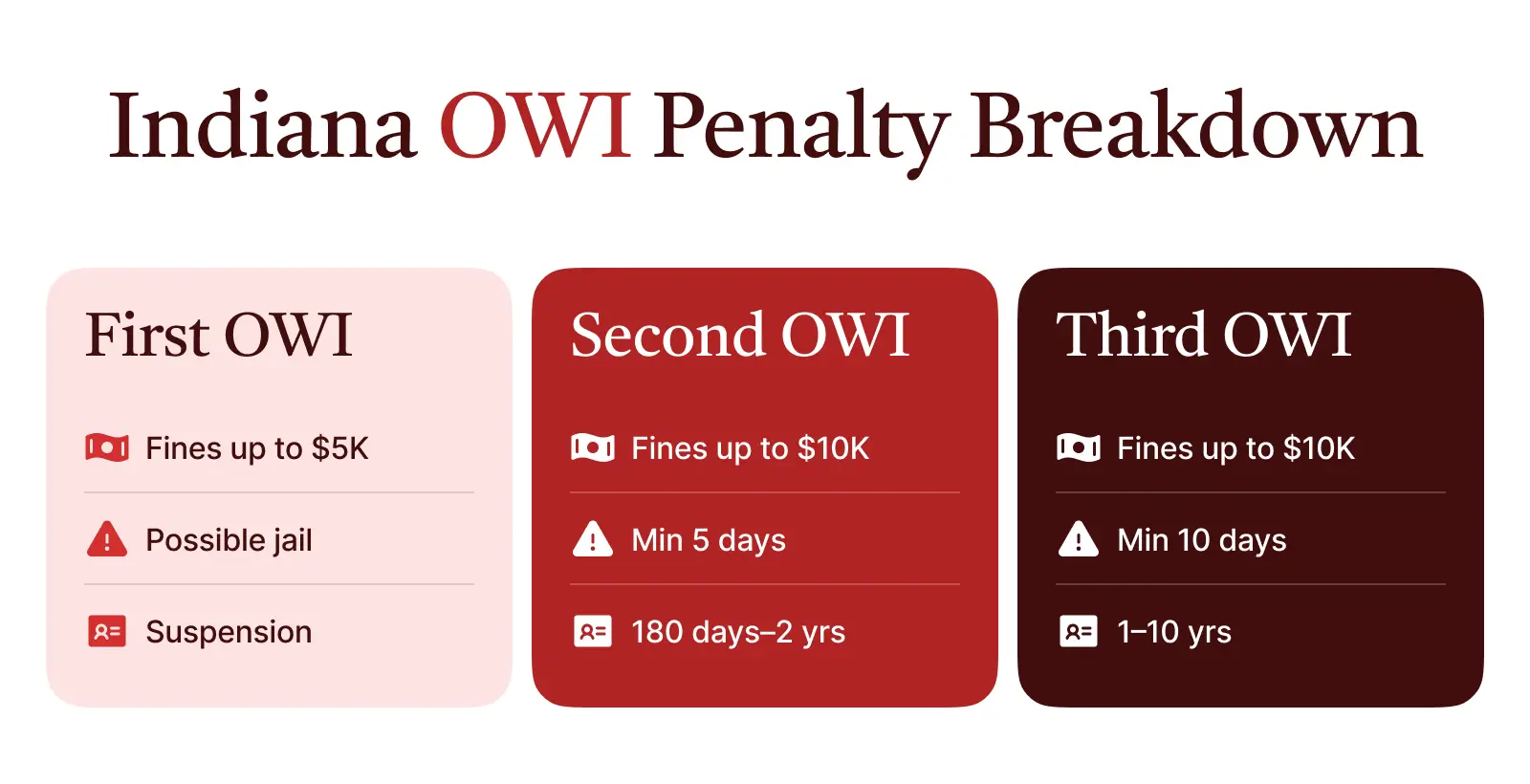
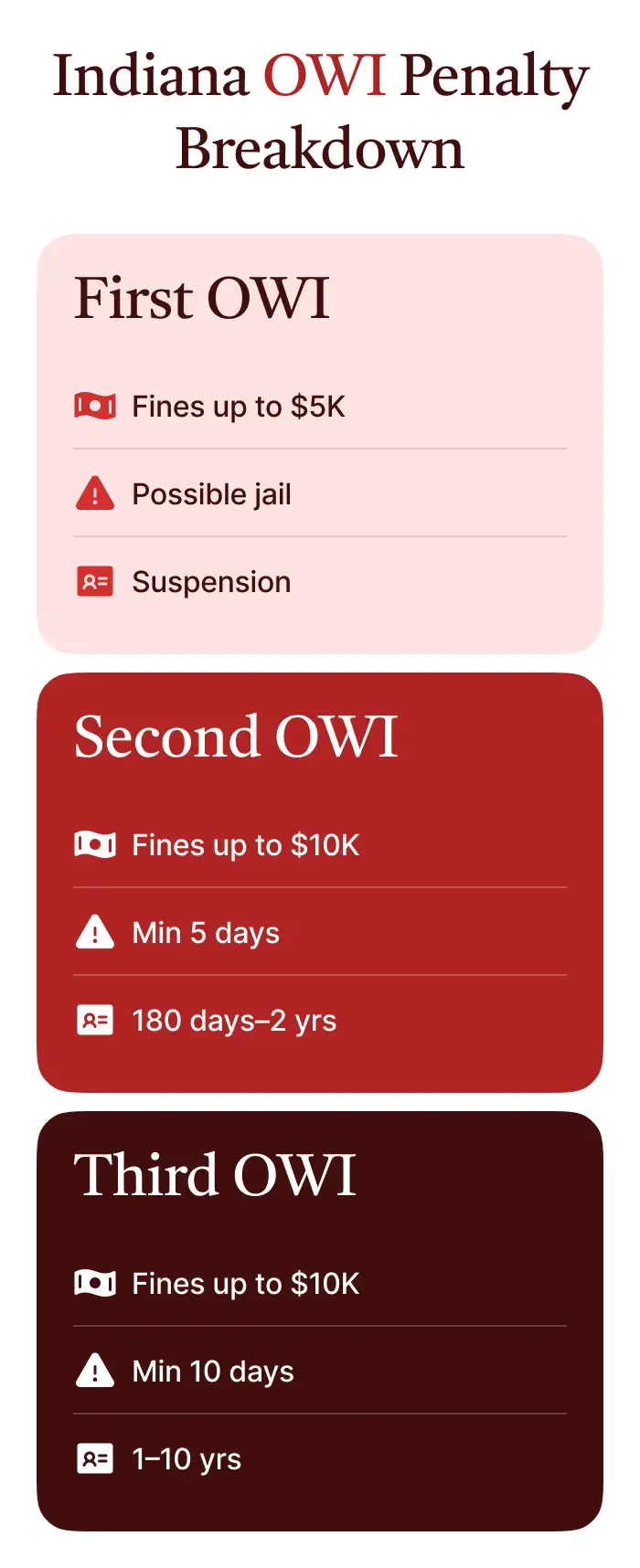
For a first OWI conviction, Indiana lists court costs and fees of more than $300, fines up to $5,000, possible jail time of up to one year, license suspension, probation, substance abuse education, and other court requirements. Your car may also be towed at your expense after the arrest, and bail may be required before release.
Those consequences are serious on their own. But repeat offenses can be much harder to recover from financially, legally, and personally.
A second or third OWI can make jail time much harder to avoid. A second OWI conviction in Indiana can involve a minimum of five days in jail or community service, fines up to $10,000, and a license suspension of at least 180 days and up to two years. A third offense can involve a minimum of 10 days in jail, fines up to $10,000, license suspension for at least one year and possibly up to 10 years, and additional consequences if you are considered a habitual traffic violator or habitual substance offender.
That is why this moment matters. The goal is not just to get through the current case. It is to lower the risk of going through this again.
For some people, an OWI is an isolated event. For others, it is a warning sign that alcohol or substance use is starting to affect judgment, stress, relationships, or daily life. A substance use evaluation can help clarify what level of treatment, if any, is needed.
If alcohol or drug use plays a role, getting treatment early can give you a clear next step—something structured, private, and designed to help you move forward without putting your life on hold. It can help you understand what happened, reduce the chance of another arrest, and create documentation that you are taking the situation seriously.
Is an OWI a Sign of a Bigger Problem?
Not every DUI means there’s an ongoing issue.
But in some cases, it’s not just about one night.
Here’s a simple way to look at it:
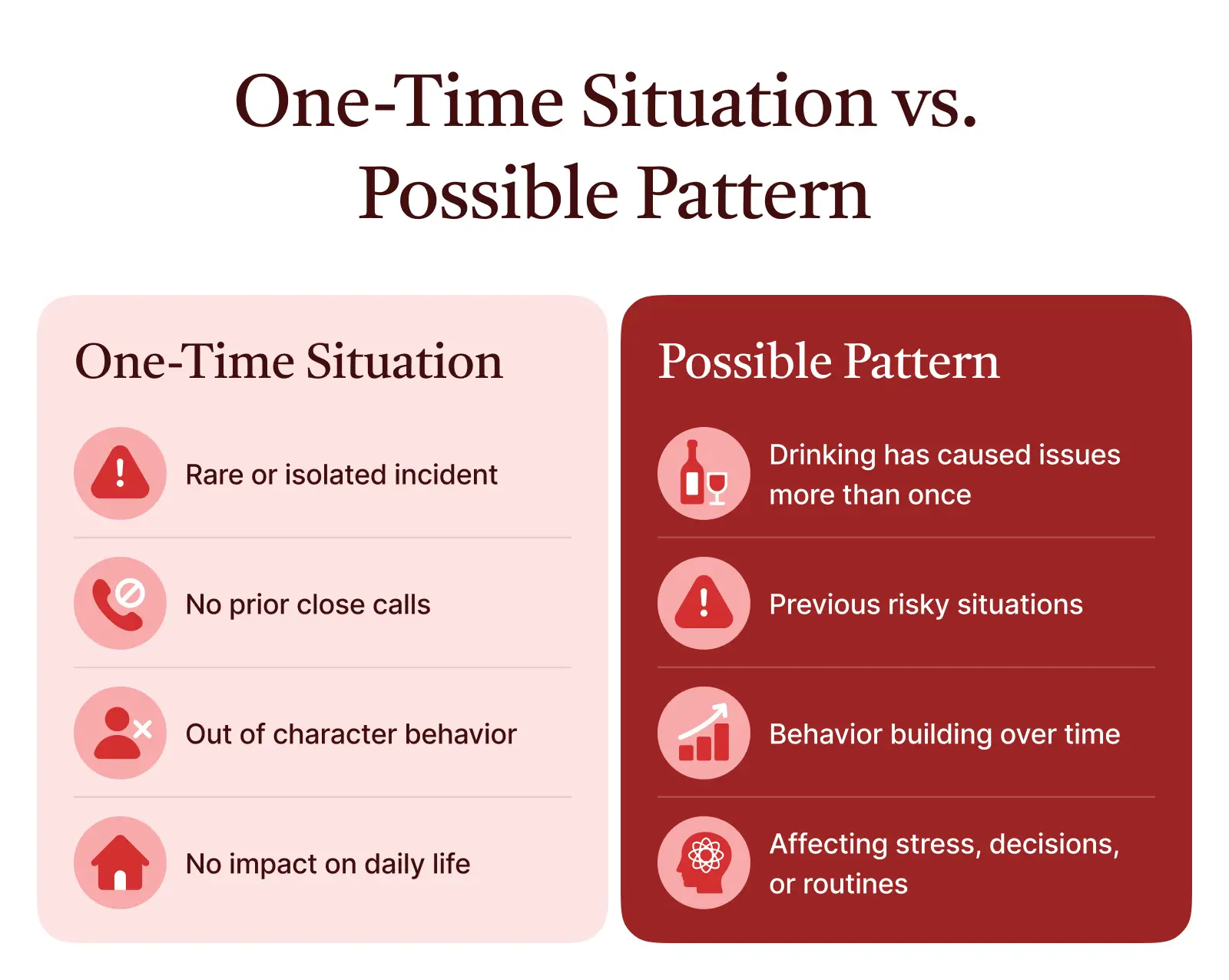
For some people, the arrest is the first clear signal that something needs attention.
Can Treatment Help with a DUI or OWI in Indiana?
If alcohol or drug use played a role in your OWI, starting alcohol addiction treatment early can give you a clear next step.
It does not erase the charge or guarantee a specific outcome. But it can show that you are taking the situation seriously—and that you are actively reducing the risk of it happening again.
When someone starts before the court, it creates something concrete:
- A record of action
- Evidence that the behavior is being addressed
- A clearer picture for the court
That can matter when decisions are being made about probation, requirements, or next steps.
What Treatment for OWI (DUI) Can Look Like
For some people, an OWI is a one-time situation. For others, it’s connected to something deeper like stress, anxiety, burnout, or trauma.
The right kind of treatment doesn’t just focus on substance use. It looks at both:
- What happened
- And what led up to it
That might include stress, mental health, or ways of coping that aren’t working anymore.
Programs at Indiana Center for Recovery are designed to address both drug treatment and underlying mental health concerns, with evidence-based therapies and flexible options that can fit around work, court, and daily life—including outpatient programs and more structured care when needed.
The best place to start is with an evaluation. It helps clarify what’s going on and gives you a clear next step, both for yourself and as your case moves forward.
What to Do Next After a DUI in Indiana
It might feel like everything is already decided, but it’s not.
A few steps can help you stay organized and in a stronger position in court:
Indiana Center for Recovery Locations


 100% Confidential
 Call
Call  Available Now
 Verify Your Insurance


 Call (844) 650-0064
