
 100% Confidential


Alcohol Detox And The Liver: Timeline
Clinically Reviewed by:

Detoxing your liver from alcohol is the first, critical step in recovering from alcohol abuse. For many people, this process begins in a medically supervised alcohol detox program where withdrawal symptoms can be safely managed. This article explains what happens in your liver when you stop drinking, how long detox and healing can take, and what you can do to support your liver in a safe, realistic way.
Key Takeaways
Alcohol detox is the process of eliminating alcohol from the body and managing potentially fatal withdrawal symptoms that occur when someone stops drinking.
Most people clear alcohol from their bloodstream within about a day, but the liver itself may need more than a week to fully detox from heavy use, and much longer to heal from damage like fatty liver or hepatitis. Once progressed to cirrhosis, damage is not reversible even if alcohol is fully cleared.
Here’s what you need to know:
- The liver can take weeks to months to detox from alcohol, depending on the extent of damage and overall health.
- Abstaining from alcohol completely, staying hydrated, and getting medical support gives your liver the best chance to heal.
NOTE: As a trusted detox center in Indiana, Indiana Center for Recovery has helped thousands of people safely and more comfortably detox from alcohol and continue to stay sober long term. If you’re in the Midwest, call for more information and alcohol use assistance for a healthier and brighter future.
Role Of Liver In Breaking Down Alcohol
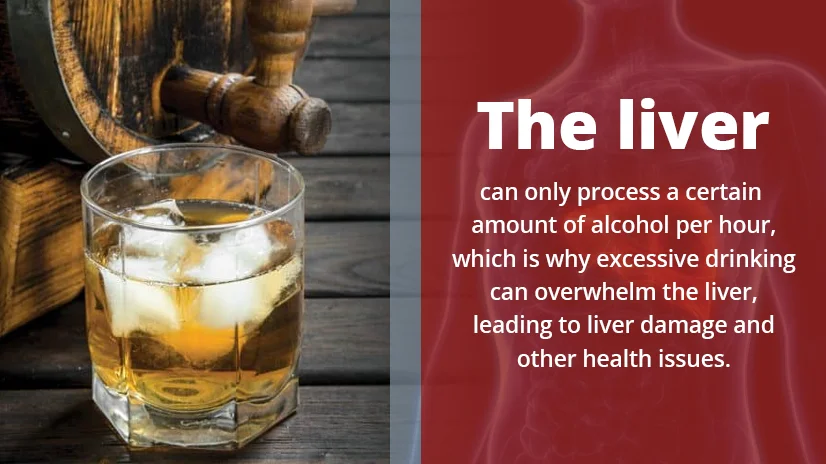
The liver is your body’s main “filter” for alcohol and other toxins. When you drink, enzymes in the liver break alcohol down first into acetaldehyde, a toxic and irritating chemical, and then into acetate, which is further broken down into carbon dioxide and water that you breathe out and pass in urine.
The liver can only handle so much alcohol at a time. For most adults, that is about one standard drink an hour. If someone drinks faster than that, alcohol builds up in the bloodstream, which is when they start to feel buzzed, drunk, or even confused and unsteady. Over months and years, repeated overload can inflame and scar the liver.
Even “social” drinking can affect liver health, especially if it includes regular binge episodes, like having four to five drinks in a short period on weekends.
How Long Does It Take To Detox Your Liver?
There are two different questions people usually mean when they ask this:
How long until alcohol is out of my system?
Alcohol itself is usually cleared from the blood within about 24 hours, depending on how much you drank and how healthy your liver is. Your liver keeps working hard after that to clear breakdown products and repair cells that were stressed or damaged.
How long until my liver starts to heal from the damage alcohol has caused?
- First 6–24 hours: Alcohol leaves the bloodstream. Early withdrawal symptoms like anxiety, tremors, nausea, and trouble sleeping may begin.
- Days 2–5: Withdrawal symptoms often peak. People may feel more shaky, sweaty, and restless. This is the highest-risk window for severe complications like seizures or delirium tremens, which is why medical monitoring is so important for heavy drinkers.
- End of week 1: Most people have cleared alcohol and its immediate breakdown products from the body, but they may still feel tired, anxious, or “off.” Sleep and appetite can still be disrupted.
- Weeks 2–4: For many people, liver inflammation and blood test markers begin to improve within two to four weeks of not drinking, especially if the main problem was fatty liver.
- Months 3–6 and beyond: With ongoing abstinence, a healthy diet, and medical care, the liver can continue to heal. Some early-stage damage may fully reverse. Advanced scarring (cirrhosis) may stabilize but is usually not fully reversible.
Your timeline may be shorter or longer than this. Someone who drank heavily for 20 years will not heal on the same schedule as someone who binge-drank for a few months in college. The important thing is that your liver can begin to recover as soon as you stop giving it more alcohol to process.
Factors Determining The Duration Of Liver Detox
- Amount of Alcohol Consumed: The more alcohol you drink, the longer it takes for your liver to detoxify. Heavy drinkers may need more time for their livers to process alcohol than light drinkers.
- Frequency of Drinking: Regular drinkers might find it takes longer for their livers to detoxify compared to occasional drinkers. Consistent alcohol consumption can overwhelm the liver’s detoxification process.
- Liver Health: A healthy liver detoxifies alcohol more efficiently than a liver already damaged by fatty liver disease or cirrhosis.
- Individual Metabolism: Each person’s metabolism works at a different pace. Some individuals metabolize alcohol faster than others, affecting how quickly their livers detoxify.
- Genetics: Genetics plays a role in how effectively the liver processes alcohol. Some people have genetic variations that affect alcohol metabolism, influencing the duration of detoxification.
- Age: As people age, their liver function may decline, potentially lengthening the time it takes for the liver to detoxify from alcohol.
- Overall Health: General health factors like diet, exercise, and hydration can impact liver function and detoxification speed.
Because these factors vary so much, it is important to avoid comparing your detox timeline to anyone else’s. A medical provider can review your labs, drinking history, and symptoms and give more specific guidance.
General Timeframe For Alcohol Detoxification
The timeframe for alcohol detox can vary widely. The liver begins clearing alcohol within minutes and usually processes a drink every hour or so, but true detox means more than just having a blood alcohol level of zero. It includes removing leftover toxins, reducing inflammation, and beginning to repair damaged cells.
- For light or moderate drinkers, the liver may complete this early detox phase within a few days to about a week.
- For someone who drinks several drinks daily or has had years of heavy use, detox and early healing often take longer, sometimes several weeks or even months to fully heal.
Detoxification Process: A Step-By-Step Overview
Detoxification is a crucial first step in recovery from substance abuse. It involves three main phases: initial reaction and abstinence, detoxification and withdrawal, and post-detoxification and recovery.
Phase 1: Initial Reaction And Abstinence (First 24 Hours)
In the first day after your last drink, your blood alcohol level starts to fall. At the same time, your brain and nerves are reacting to the sudden absence of alcohol. You may notice cravings, irritability, anxiety, sweating, shaky hands, nausea, or headache. Some people feel “wired and tired” at the same time, with racing thoughts and poor sleep.
If you have been drinking heavily, this is a critical period to be in a safe place and in contact with medical professionals who can monitor your blood pressure, heart rate, and mental status.
Phase 2: Detoxification And Withdrawal (Days 2–5)
During this phase, alcohol and its byproducts are leaving your body, and the nervous system is trying to rebalance. Symptoms often peak here. People may experience tremors, sweating, fast heart rate, high blood pressure, nausea, vomiting, and trouble thinking clearly. In severe cases, seizures or delirium tremens can develop, which are medical emergencies.
Detox in a supervised program allows doctors to use medications such as benzodiazepines and other supportive treatments to reduce withdrawal symptoms, lower the risk of complications, and keep you as safe and comfortable as possible, as recommended by all major health organizations, including the NIH.
Phase 3: Post-Detox And Early Recovery (First Weeks To Months)
Once acute withdrawal settles, many people expect to feel “back to normal,” but the brain and liver are still adjusting. You may notice mood swings, low energy, sleep problems, or strong urges to drink again. The liver is quietly healing in the background, which can show up as better lab results and more stable energy over time.
This is when counseling, support groups, medication-assisted treatment, and lifestyle changes become very important. They help you stay alcohol-free long enough for your liver and brain to heal.
Effective Methods For Liver Detoxification From Alcohol
Your liver does not need expensive “cleanse” products. It needs a break from alcohol and steady support from the rest of your lifestyle.
Embracing A Healthy Diet
A balanced diet gives your liver the raw materials it needs to repair itself. Focus on:
- Plenty of vegetables and fruits for vitamins, minerals, and antioxidants
- Whole grains like oats, brown rice, and whole-wheat bread for steady energy
- Lean proteins such as fish, chicken, beans, and lentils to help rebuild tissue
- Healthy fats from olive oil, nuts, seeds, and avocados
Try to limit highly processed foods, deep-fried foods, and heavy added sugars. Someone coming out of alcohol use disorder may be underweight or missing key nutrients. At a reputable detox facility (like ICFR), a registered dietitian creates a plan that fits your body and preferences.
Importance Of Regular Physical Exercise
Regular movement helps the liver by improving blood flow, helping burn excess fat, which can accumulate in the liver due to alcohol consumption.
If you feel weak after detox, you can start with 5–10 minutes of walking at a time and increase slowly. As you feel better, aim for 30 minutes of exercise a day. Even simple activities like brisk walking 30 minutes a day, riding a bike, or swimming a few times a week can make a real difference.
Role Of Hydration In Liver Detox
Drinking enough water helps the kidneys and liver work together to move waste products out of the body. A common goal is around eight 8-ounce glasses a day, but your exact needs may be higher or lower depending on your size, activity level, and medical conditions.
Plain water is usually best. Unsweetened tea and flavored water without added sugar can also help. Try to limit soda, energy drinks, and large amounts of caffeine, which can worsen dehydration or upset your stomach.
Medical Treatments For Liver Detoxification
Some people need more than lifestyle changes, especially if they drink heavily or have signs of serious liver damage. Medical treatments can support both safe alcohol withdrawal and liver health.
Medication-Assisted Detox
Medication-assisted detox uses prescription medicines to reduce withdrawal symptoms and cravings. Common options for alcohol use disorder include benzodiazepines for short-term withdrawal safety and medications like naltrexone, acamprosate, or disulfiram to support ongoing sobriety. These medicines are chosen and monitored by a healthcare professional based on your liver function and overall health.
Therapeutic Apheresis
Therapeutic apheresis is a specialized hospital procedure where blood is passed through a machine that can remove certain antibodies or toxins before the blood is returned to the body. It is not a routine detox tool for alcohol, but in certain severe liver or immune conditions, it may be part of advanced treatment under the guidance of liver and blood specialists.
Most people will never need this level of intervention, but knowing it exists can be reassuring if your doctors suggest a higher-level liver care plan.
Consequences Of Not Detoxifying The Liver From Alcohol
When alcohol is consumed, it’s broken down by the liver. However, excessive alcohol intake can overwhelm the liver, leading to serious health consequences. One of the primary risks is alcohol-related liver disease (ARLD), which encompasses a range of conditions affecting the liver. The earlier you stop, the more your liver can recover.
Alcohol-Related Liver Disease
ARLD can manifest in several forms, including fatty liver disease, alcoholic hepatitis, and cirrhosis. Fatty liver disease happens when fat builds up in the liver, impairing its function. Alcoholic hepatitis is irritation of the liver caused by excessive alcohol consumption. If left untreated, it can develop into cirrhosis.

Cirrhosis And Other Serious Health Risks
Cirrhosis is a late stage of scarring of the liver caused by many methods of liver illnesses and conditions, such as hepatitis and chronic alcoholism. Each time your liver is hurt, it tries to repair itself. In the process, scar tissue forms. As cirrhosis progresses, more and more scar tissue forms, making it tough for the liver to function.
Apart from ARLD, alcohol abuse can lead to various serious health risks, including an increased risk of developing liver cancer, pancreatitis, and a weakened immune system. It can also impact the brain, leading to cognitive impairments and mental health issues.
Role Of Alcohol Abstinence In Liver Health
Alcohol abstinence plays a crucial role in maintaining liver health. When alcohol is taken, it is processed by the liver, leading to the production of harmful byproducts. Chronic alcohol consumption can cause inflammation and damage to liver cells, leading to conditions like fatty liver disease, alcoholic hepatitis, and cirrhosis.
How Alcohol Abstinence Aids In Liver Recovery
Alcohol abstinence is essential for liver recovery, especially for individuals with alcohol-related liver disease. When alcohol consumption stops, the liver can begin to heal. The liver has remarkable regenerative capabilities, and with the cessation of alcohol intake, damaged liver cells can repair and regenerate, reducing the risk of further liver damage and improving overall liver function.
Achieving And Maintaining Alcohol Abstinence
Achieving and maintaining alcohol abstinence is key to liver health. It requires commitment and usually several weeks of outpatient or inpatient alcohol rehab. Strategies for achieving and maintaining abstinence include setting clear goals, seeking support from healthcare professionals or support groups, identifying triggers and developing coping mechanisms, and making lifestyle changes to reduce the risk of relapse.
- “I spent months looking for the best alcohol detox near me and by the grace of God ended up in ICFR Bloomington. It was a completely life-changing experience. My liver tests were starting to show signs of issue, but one year sober and my liver has healed. Thank you!”
Frequently Asked Questions (FAQ)
How do I know if my liver is detoxing?
To know if your liver is detoxing, look for signs like improved digestion, clearer skin, and increased energy. However, for those with alcohol use disorder, detox processes might be more complex, often requiring professional help to manage severe withdrawal symptoms.
Regular exercise, a healthy lifestyle, and avoiding binge drinking can support the liver’s ability to recover from alcohol-related liver damage. Seek guidance from doctors or medical professionals and consider treatment facilities for alcohol addiction.
How long should you do a liver cleanse?
A liver cleanse typically lasts for about 1 to 3 weeks. It aims to support the liver’s ability to detoxify the body, particularly after periods of heavy alcohol consumption. Symptoms of alcohol withdrawal, including alcohol withdrawal syndrome and alcoholic fatty liver disease, may necessitate longer cleanses to restore liver function and alleviate associated discomfort fully.
Always consult a healthcare provider for personalized advice.
How do you reverse liver damage from alcohol?
To reverse liver damage from alcohol, the most effective approach is to stop drinking alcohol completely. The liver has the extraordinary ability to regenerate, but this process requires time and abstinence.
A healthy diet, weight management, and regular exercise can also support liver health. In severe cases, medical intervention and treatment may be necessary.
Begin Your Recovery With Indiana Center For Recovery
Alcohol detoxification allows your liver to heal, but the process can take weeks or months depending on the extent of damage. If you’re concerned about liver health or ready to stop drinking, Indiana Center for Recovery offers medically supervised alcohol detox to help you safely manage withdrawal and begin your recovery journey.
Our alcohol detox program provides round-the-clock medical supervision to safely manage withdrawal symptoms while allowing your liver to begin the healing process.
Once your body is clear of alcohol, our alcohol recovery program offers therapy, including CBT, to help you maintain abstinence and support liver recovery through lifestyle changes.
For those who need more intensive support, our inpatient alcohol rehab program offers a structured environment with daily therapy, healthy meal planning, and support to help you achieve and maintain alcohol abstinence while your liver heals.
Find support near you at our alcohol treatment centers across Indiana. Call today to discuss alcohol detox options and learn how we can help you stop drinking safely while supporting your liver’s recovery.
Indiana Center for Recovery Locations


 100% Confidential
 Call
Call  Available Now
 Verify Your Insurance


 Call (844) 650-0064
