

Clinically Reviewed by:

When you take a sip of that drink, it doesn’t just affect your taste buds. It journeys through your body, impacting different parts along the way.
Alcohol can bring about changes throughout the body, from your brain to your blood. In this article, we’ll explore the physical consequences of drinking alcohol, shedding light on how it affects your health in ways you might not have realized.

Blood Alcohol Content (BAC) determines impairment levels and legal intoxication; factors like body weight and metabolism influence BAC. This article will tell you:
Reach out to the team at Indiana Center for Recovery by calling (844) 650-0064 and embark on a journey towards a healthier, brighter tomorrow.
Blood Alcohol Content (BAC) quantifies the amount of alcohol in the bloodstream, influencing cognitive and physical functions. It’s measured in grams of alcohol per deciliter of blood. BAC levels correlate with impairment. A BAC of 0.08% signifies legal intoxication in many states. Body weight, metabolism, and alcohol consumption pace impact BAC.
As BAC rises, alcohol’s effects intensify. At lower levels, it leads to relaxation and lowered inhibitions. Higher levels can impair motor skills, coordination, and judgment. Extremely high BAC levels can result in blackouts, unconsciousness, and even alcohol poisoning.
BAC levels determine legal intoxication limits for driving in many jurisdictions. High BAC increases accident risks and legal consequences. It’s crucial to understand BAC to make informed decisions about alcohol consumption and its potential effects.
When you consume alcoholic beverages, it first passes through the digestive system. The stomach and small intestine instantly absorb the alcohol from the drink. However, moderate drinking, heavy drinking, long-term drinking, or consuming too much alcohol in a short time (binge drinking) can overwhelm the digestive process.
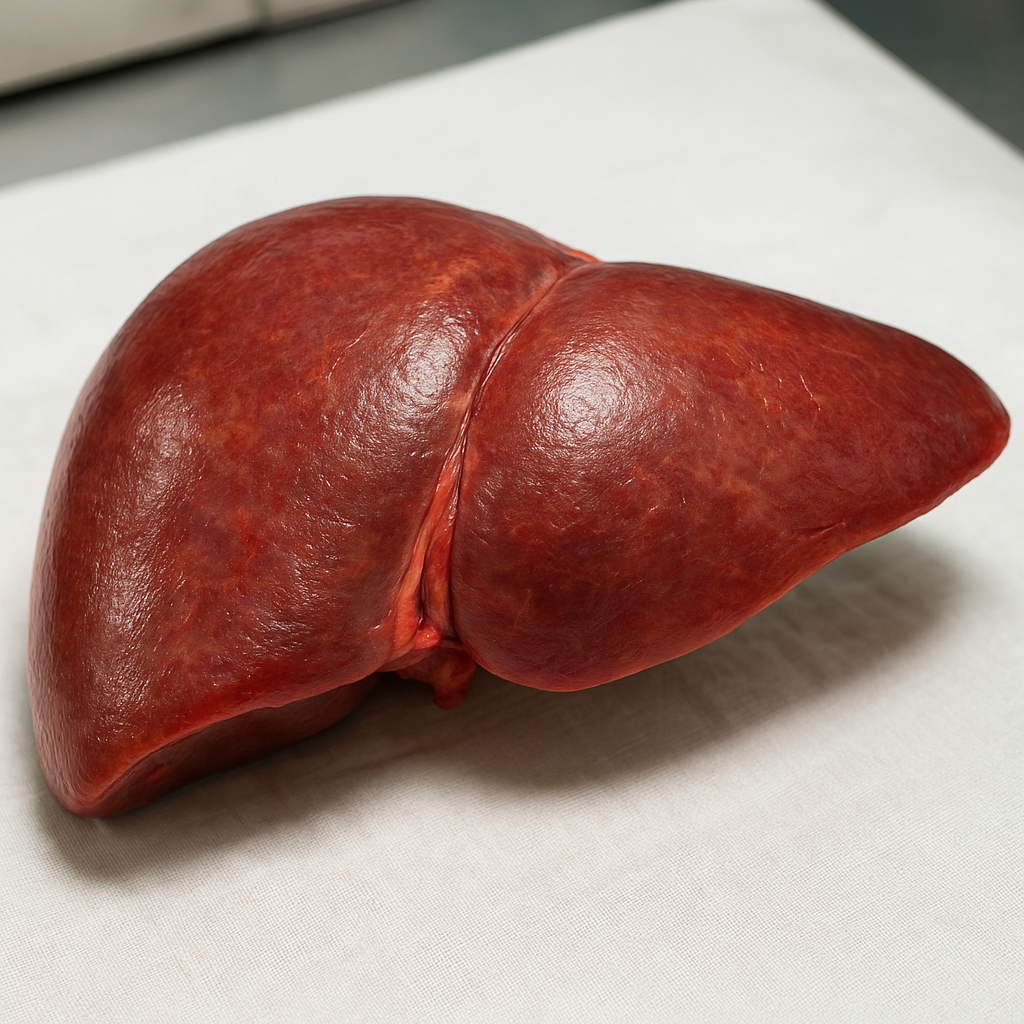
Once alcohol enters the bloodstream, the liver steps in to metabolize it. This vital organ breaks down alcohol over time, usually at a rate of about one standard drink per hour. However, excessive alcoholic drinks, like binge drinking, can cause liver damage, impacting the ability to process alcohol efficiently.
Long-term heavy drinking can lead to serious liver issues, including liver disease. The liver works hard to break down alcohol, but this process can cause inflammation and scarring over time, affecting its function and health.
Alcohol consumption also impacts the pancreas, which produces important enzymes for digestion. Long-term alcohol use can cause pancreas inflammation (pancreatitis), affecting digestion and causing abdominal pain.
When a person takes a drink, it sets off a chain of events within the central nervous system. This system includes the brain and spinal cord, which are responsible for thinking, feeling, and moving.
Alcohol’s effects on the brain’s ability are noticeable even after a few sips. It slows the brain’s activity, such as slower reaction time and coordination. One of the common warning signs of alcoholism includes memory problems and trouble concentrating. Also, in some cases, alcohol addiction can cause permanent brain damage.
Small amounts of alcohol can change a person’s mood and emotions. Some may feel relaxed after a drink, but it can also make others sad or anxious. Heavy drinking can even worsen mental health conditions and lead to alcohol dependence.
Alcohol consumption can dramatically impact the immune system, weakening the body’s ability to defend against infections and illnesses.
Excessive alcohol intake hampers the immune system’s functionality. It suppresses the production of immune cells and impairs their proper function, leaving the body less equipped to identify and combat harmful pathogens.
A compromised immune system due to alcohol can increase susceptibility to various infections. This includes bacterial, viral, and fungal infections and more severe outcomes like pneumonia. Chronic heavy drinkers are at a greater risk for tuberculosis and respiratory tract infections.
Alcohol use disorder can exert significant and long-term effects on the reproductive system, impacting both male and female fertility.
Heavy alcohol consumption can lead to reduced male fertility. It can disrupt testosterone production, a hormone crucial for sperm production and reproductive health. A small amount of alcohol significantly impacts hormone regulation and can result in decreased sperm count, impaired sperm motility, and abnormal sperm morphology. In addition, alcohol can contribute to erectile dysfunction, further complicating reproductive issues.
Alcohol also affects female fertility. Chronic alcohol use can disrupt menstrual cycles, leading to irregular periods or even the cessation of menstruation (amenorrhea). It can also interfere with hormone levels necessary for ovulation. If pregnancy occurs, alcohol exposure during pregnancy can lead to fetal alcohol spectrum disorders, causing developmental and cognitive problems in the child.
Alcohol affects the body by depressing the central nervous system, leading to slowed reflexes, impaired coordination, and reduced inhibitions. It can damage organs, particularly the liver, and contribute to alcohol abuse. This includes a higher risk of alcohol-related liver disease.
In addition, short-term effects encompass dizziness and poor judgment, while prolonged use can culminate in severe physical health issues such as liver cirrhosis and cognitive decline.
Excessive alcohol consumption can have noticeable effects on the body and mind. Signs of overindulgence include:
Excessive alcohol harms both body and brain. Physically, it strains the liver, heart, and digestive system, fostering conditions like cirrhosis and heart disease like heart failure. Mentally, it impairs cognitive function, memory, and emotional regulation. Prolonged substance abuse can lead to addiction, neurological damage, and heightened susceptibility to mental health problems.
Understanding the physical effects of alcohol on your body is the first step toward making informed decisions about your health. If you’re concerned about how alcohol is impacting your physical well-being, from liver damage to immune system suppression, professional treatment can help you regain control. At Indiana Center for Recovery, we understand that alcohol addiction affects both your body and mind, and we’re here to support your journey to recovery.
Our comprehensive alcohol addiction treatment programs begin with medically supervised alcohol detox programs to safely manage withdrawal symptoms and help your body begin healing. Following detox, our inpatient alcohol rehab program provides intensive support in a structured environment, while our outpatient treatment services offer flexibility for those maintaining daily responsibilities.
Many individuals struggling with alcohol use also face mental health challenges, as alcohol can worsen conditions like depression and anxiety. Our dual diagnosis treatment addresses both alcohol addiction and co-occurring mental health conditions simultaneously, using integrated approaches that include mental health treatment to address underlying psychological factors contributing to alcohol use.
The physical damage from alcohol can be reversed with proper treatment and support. We offer alcohol treatment centers across Indiana where you can access specialized alcohol treatment programs designed to help you heal physically and emotionally. Call us today at (844) 650-0064 to learn more about our comprehensive alcohol addiction treatment options and take the first step toward reclaiming your health and well-being.
You’re reading this for a reason. Even if you don’t know if you’re “ready”, now is the best time to reach out.
 100% Confidential
No judgement
No commitment
 Call (844) 650-0064
  Available Now
  Verify Your Insurance

Error: Contact form not found.
 Get Answers Now
You don’t have to figure this out alone. We can guide you through your options—completely confidential and with zero commitment.
100% Private