
 100% Confidential





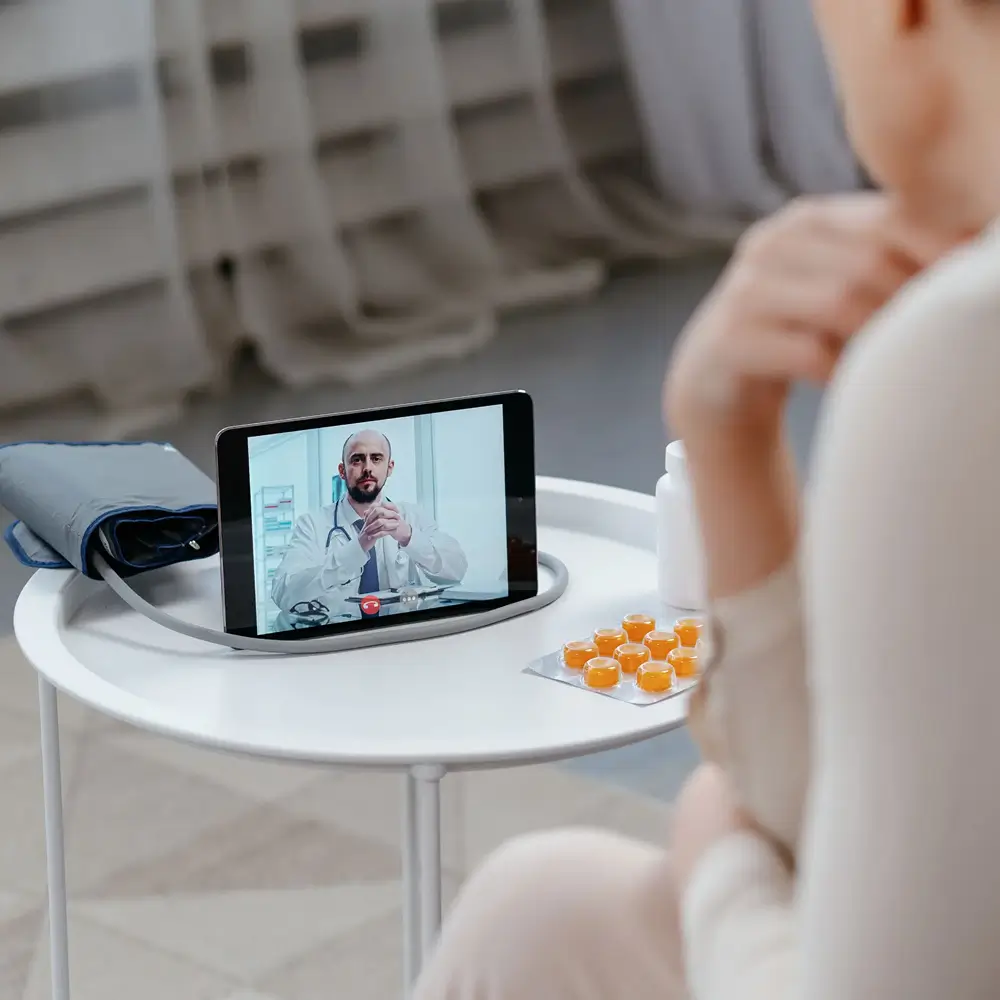
Virtual outpatient rehab and hybrid sessions give adults consistent support for:
- Depression, anxiety, and mood changes
- Stress, trauma, or relationship difficulties
- Substance use and co-occurring disorders
- Emotional fatigue and major life transitions
Hybrid Virtual Outpatient Therapy for Adolescents (Ages 12–17)
Program details:
- Ages 12–17
- Minimum three sessions per week, about three hours each
- Evening sessions: Monday, Tuesday, and Thursday from 5 p.m.–8 p.m.
- Fully virtual or hybrid (two in-person days per week for local participants)
Why Virtual Rehab Works
Virtual therapy removes distance, scheduling, and transportation barriers, making it easier to stay engaged and supported. It’s consistent care that meets you where you are, so progress doesn’t pause when life gets busy.
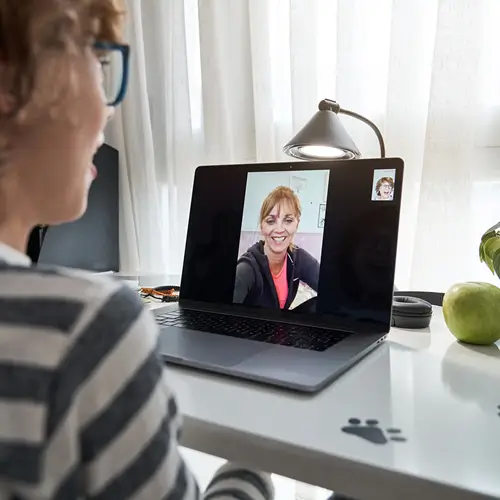
- Accessible: Get care from anywhere with a stable internet connection—home, work, or while traveling.
- Flexible: Choose between fully virtual sessions or a hybrid format that includes in-person visits when it helps most.
- Confidential: Encrypted, HIPAA-compliant platforms keep every session private and secure.
- Consistent: Work with the same clinicians throughout care, so treatment feels connected and personal.
- Comprehensive: Virtual therapy supports both mental health and substance use treatment, helping you manage the full picture of your wellbeing.
- Proven: Research shows teletherapy can be just as effective as in-person treatment ⓘ
- Transcranial Magnetic Stimulation (TMS): A noninvasive treatment that uses focused magnetic pulses to improve mood, focus, and energy.
- Spravato® (Esketamine): An FDA-approved nasal spray for treatment-resistant depression, given in a safe, supervised medical setting.
- GeneSight® Testing: A genetic test that can help identify which medications may work best and which may cause unwanted side effects.
Therapies Backed By Expertise

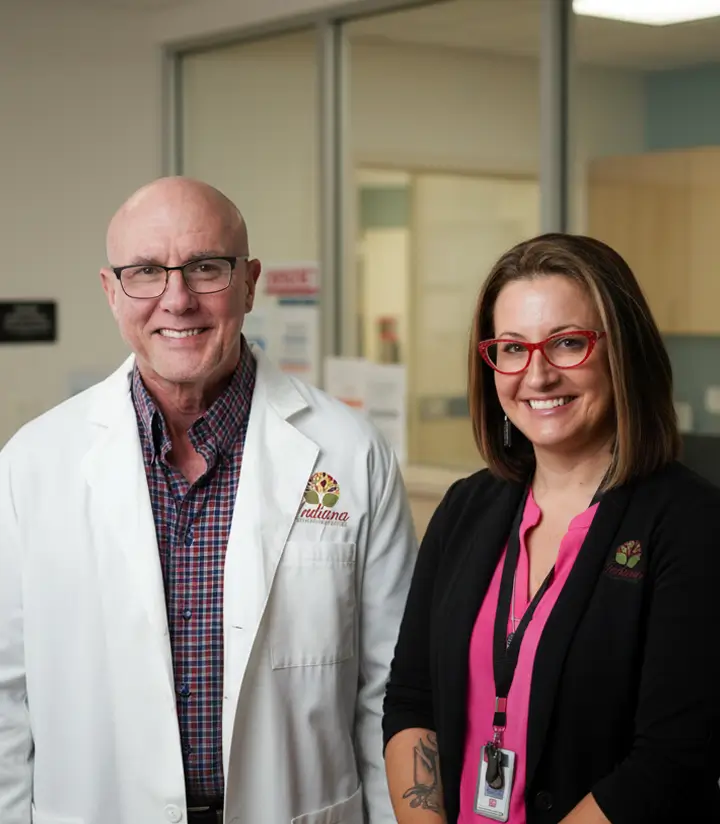
Yfat (Eve) Aronov MSN, MBA, APRN, PMHNP, FNP-C
Dual Psych and Family Practice Nurse Practitioner
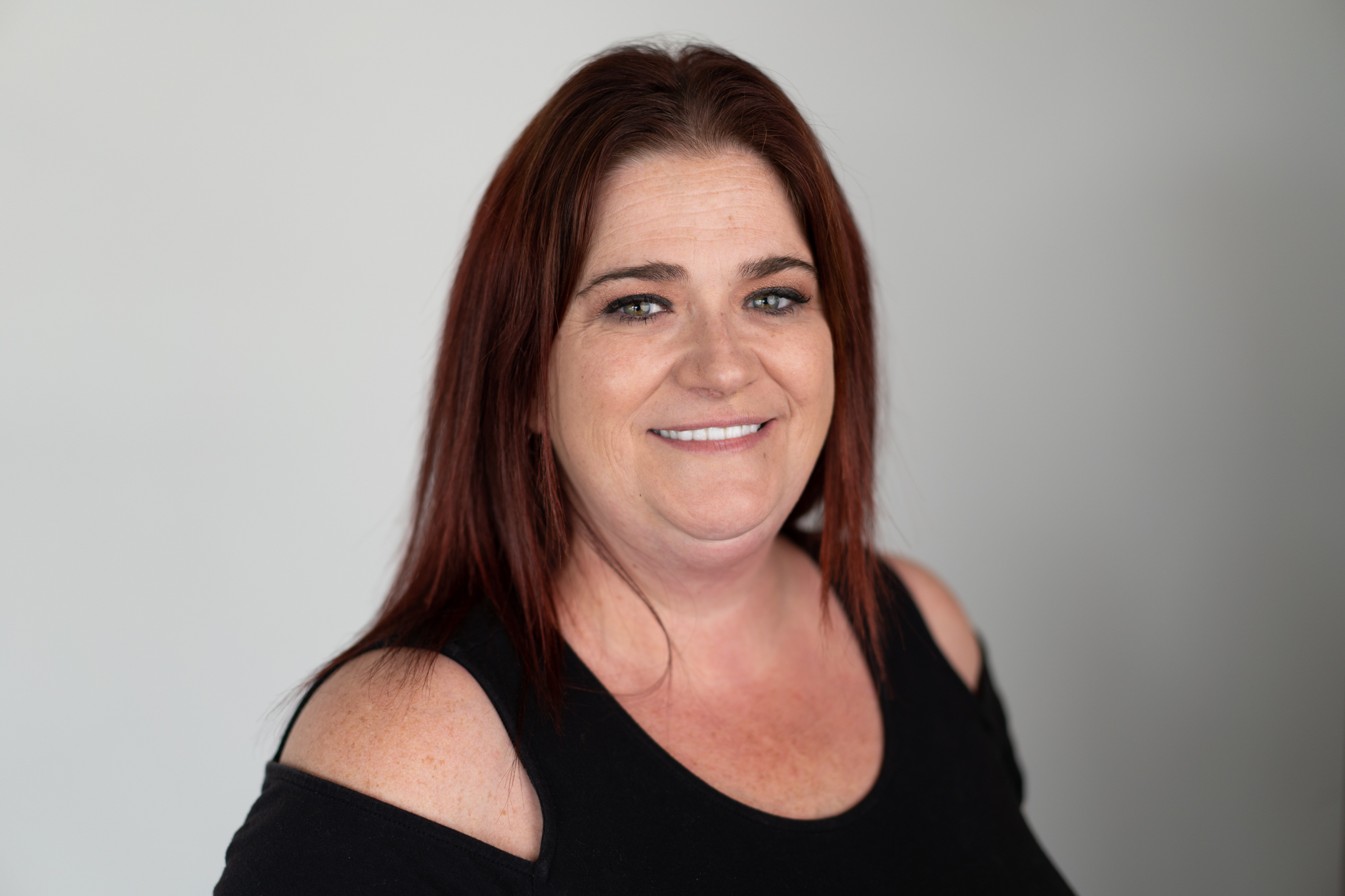
Jeanne Heckert, MSW
Program Director
Virtual Therapy Is Covered By Insurance
Care shouldn’t feel out of reach. Indiana Center for Recovery accepts most major insurance providers, including Medicaid and Medicare, for both virtual and hybrid programs. Insurance verification is fast, confidential, and helps match you with the right level of care—so you can start healing without worrying about hidden costs or delays.
 Verify Your Insurance






Frequently Asked Questions
Yes. Studies show that teletherapy can work just as well as in-person sessions for things like anxiety, depression, trauma, and substance use. What matters most is the relationship and consistency—and you’ll have both here. ⓘ
Virtual sessions can help with mental health concerns, substance use, or both. Whether you’re managing anxiety, depression, trauma, or cravings, your therapist will help you build practical tools and new ways to handle what’s hard.
Integrated virtual treatment means caring for your mental health and substance use at the same time. It helps you see how both connect—so you can start feeling more balanced, more in control, and better each day.
Hybrid programs blend virtual therapy with a few optional in-person sessions. You might join online most days, then come into the center once or twice a week for extra connection and support. It’s flexible, realistic care that fits around your life.
Yes. All sessions happen through encrypted, HIPAA-compliant video platforms, so everything shared stays between you and your care team. It’s private, secure, and designed to make you feel safe opening up.
Absolutely. Teens often respond best to therapy that feels interactive. The Adolescent Hybrid IOP uses games, polls, and small group discussions that keep teens involved and supported. It’s a space to learn, connect, and feel understood.
All you need is a smartphone, tablet, or computer with a camera and microphone. The system is simple to use, and our staff can help you set it up before your first session so you feel confident getting started.
Yes. Evening Intensive Outpatient Programs (IOP) are offered at every location, so you can join after work, school, or family time. The Carmel location also offers a hybrid morning IOP if daytime care works better for you.
Virtual therapy gives you structure, accountability, and a place to talk through cravings, stress, or triggers. Sessions include coping skills, relapse prevention, and, when needed, medication support to help you stay steady through the process.
Getting started is simple. Call (844) 650-0064 or verify insurance online. After a quick, private assessment, you’ll be matched with a program that fits your schedule—so you can start feeling better without waiting.
Yes. Many people start with virtual therapy and decide later to attend some sessions in person. Your therapist can help you adjust your schedule or transition to a hybrid program at any time. Care is flexible—built around your needs, not the other way around.
That’s more common than you might think. Virtual therapy feels different because it combines structure, accountability, and access to care that fits your life. You’ll have the same therapist and support team throughout, so you can build real trust and try new approaches that may not have been possible before.
If travel, time, or privacy have made it hard to get consistent help, virtual or hybrid therapy may be the right fit. It’s often a good next step for people leaving a higher level of care or for families who need flexible support at home. A quick conversation with our admissions team can help you find the best starting point.
 100% Confidential
 Call
Call  Available Now
 Call (844) 650-0064
