
 100% Confidential



Top 5 Relationship Red Flags
Clinically Reviewed by:

What are Red Flags in Relationships?
Our relationships are an important part of our lives and well-being. Feeling appreciated, loved, and having a positive connection with someone can improve our mental health, but not all relationships remain helpful and improve our lives.
Some kinds of relationships can be harmful to our mental, physical, and emotional health–even when we feel we may love the person. They can damage our sense of self and create toxic connections to people who bring our quality of life down. Instead of contributing to feeling well, they actually bring us pain and harm. Usually, these kinds of relationships have red flags that are important to recognize early on.
In this guide to red flags in relationships, you’ll learn to identify five common red flags that you’re in a relationship that could bring you harm, dissatisfaction, and negative consequences for your health.
There are three types of signals in any relationship that point to positive, neutral, or negative meanings for the relationship overall. Think about a partner, friend, or family member. In your relationship with them, some actions, statements, or behaviors will point to positive qualities, and these are green flags. Neutral or unclear qualities might be yellow flags where you should proceed with caution. But, red flags tell you that something is wrong in the relationship. For some, they are deal-breakers that tell them to get out of the relationship, and for others, they are signs of more work to be done on building a positive connection.
Top 5 Red Flags in a Relationship
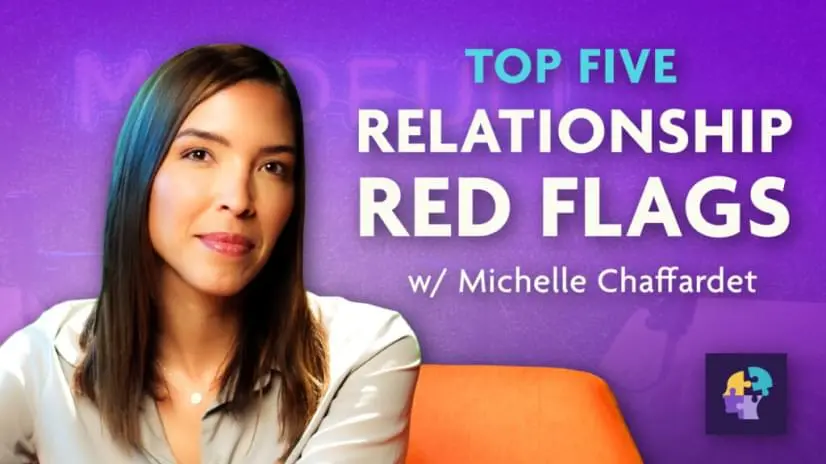
Red flags in a relationship indicate something that shouldn’t be ignored. Instead, if you see one of the following patterns or red flags in one of your relationships, you should find a way to address them as soon as possible by breaking ties or working to improve your relationship if possible.
Feeling Inferior
If you are in a relationship with someone who makes you feel inferior to them, you should identify where this feeling is coming from. Perhaps you’ll notice that they put you down with harsh comments or they negate the validity of your ideas. Perhaps they always seem to leave you with the feeling that something is wrong with you.
Feelings of inadequacy are not a positive sign, and you should take some time to reflect on where this feeling comes from if this describes your relationship with them. If you find that they consistently invalidate your feelings, thoughts, or identity, it’s time to make a change.
Emotionally Unavailable
Emotional connections are important for your mental health. They give us the sense that we belong and are valued by the people around us. But, if you feel that someone lacks commitment and you do all the “work” in the relationship, they may be showing signs of being emotionally unavailable.
What is being emotionally unavailable? Consider this example of someone who’s emotionally unavailable. You have a friend who calls and texts regularly, but when you try to make solid plans with them, they’re not available, interested, or simply don’t respond. What if they say they will meet you for lunch, and then cancels or doesn’t show up at all?
In some ways, their behavior seems like they may be interested in a connection with you, but they also lack any of the follow-up behaviors to make that connection with you. They don’t make plans, or they don’t show up. In this example, there’s a general lack of commitment or unavailability that signals this won’t be fulfilling in the long term.
Gaslighting Behavior
Gaslighting describes a set of behaviors and statements that are designed to manipulate you psychologically. Gaslighting is a form of manipulation. It can also make you question your sanity and grasp of reality. There are all kinds of ways that people can attempt gaslighting in relationships—some overt and some discreet—but here are some common phrases that signal someone is undermining your sense of self, reality, or sanity:
- You’re being too dramatic.
- You never pay attention.
- You’re acting crazy about this.
- You don’t really feel this way.
- That didn’t really happen.
It’s not healthy in a relationship when someone decides what is right over the other person’s sense of things. When you allow someone to dictate what is good or bad for you, what is right or wrong, what is real or not—you may be involved with someone who is gaslighting you. Instead, you should never allow someone else to tell you how you feel.
Gaslighting can be a form of abuse, so you have to be careful when you notice these kinds of behaviors in your relationships. With boundaries and confidence, you can re-establish your own sense of reality and identity without that person, instead of having your feelings or thoughts dismissed.
Jealousy and Trust Issues
The basis of any healthy relationship is trust, but some jealousy or lack of trust can be normal. However, when you notice that jealousy is out of control and making you feel anxious or threatened, it can have a negative effect on your relationships and be a sign of problems to come.
If you feel a little jealous, it can be a sign that you care about the person and fear losing them. Having feelings of jealousy is normal in that sense. But, if the jealousy comes from out of nowhere without good reason for the feeling, then this could be a potential issue.
Imagine you aren’t giving someone a reason to be jealous or concerned about losing you, but they still don’t trust you. They might interrogate you with questions, go through your things or phone, or check on you constantly, demanding that you always tell them what you are doing. If you feel you’re doing all you can to be honest and upfront with others, but they still don’t trust you, this is a red flag.
Verbal and Physical Abuse
The most significant red flag is verbal and physical abuse. Verbal and physical abuse are the biggest signs of toxicity and unhealthiness in a relationship. If someone belittles you, insults you, screams at you, pushes, or hits you—it’s a sign that you should walk away from the situation entirely. It’s not always easy to leave someone that you might depend on emotionally or financially, but there is help out there for those who see signs of verbal and physical abuse in their relationships.
If you are suffering an abusive relationship, don’t be ashamed to reach out for assistance from the many organizations designed to serve survivors of verbal, physical, and emotional abuse. You never have to stay in a relationship that is unhealthy and unsafe for your mental health or physical well-being. Any sign of abuse is a significant red flag, a warning to your safety, and a risk to your self-esteem.
Get Help for Relationship Trauma and Mental Health
Relationship red flags like gaslighting, verbal abuse, physical abuse, and emotional unavailability can significantly impact your mental health and well-being, creating trauma that affects your sense of self and quality of life. If you’re experiencing toxic relationships that are harming your mental, physical, or emotional health, professional treatment can help you heal from relationship trauma and build healthier connections. At Indiana Center for Recovery, we understand that unhealthy relationships can contribute to mental health challenges and substance use, and we provide comprehensive treatment to help you recover and establish healthy boundaries.
Treatment for relationship trauma and mental health challenges begins with comprehensive mental health treatment programs that address the emotional impact of toxic relationships. Our intensive residential treatment provides 24/7 support in a safe, structured environment, while flexible outpatient treatment services offer ongoing therapy and support. Our evidence-based approaches include Cognitive Behavioral Therapy and EMDR therapy to process trauma and develop healthy relationship skills. Many individuals who have experienced relationship abuse also struggle with substance use as a way to cope, which is why our integrated dual diagnosis treatment addresses both mental health conditions and co-occurring substance use disorders simultaneously, using addiction treatment approaches combined with trauma-focused care to support comprehensive recovery.
Healing from relationship trauma is possible with professional help and ongoing support. We offer treatment centers across Indiana where you can access specialized mental health and trauma treatment programs designed to help you heal from toxic relationships and build a healthier future. Our compassionate team understands the impact of relationship abuse on mental health and provides evidence-based care tailored to your unique needs. Call us today at (844) 650-0064 to learn more about our relationship trauma and mental health treatment services and take the first step toward healing.
Indiana Center for Recovery Locations

 100% Confidential
 Call
Call  Available Now
 Verify Your Insurance


 Call (844) 650-0064
