
 100% Confidential


Ketamine Therapy Near Me: A Comprehensive Guide
Clinically Reviewed by:

Ketamine therapy has recently gained popularity as a treatment for depression, anxiety, and PTSD. Ketamine treatment involves using ketamine, a dissociative anesthetic, in controlled doses to help alleviate symptoms of these conditions. As demand continues to grow, more clinics are offering this advanced treatment. If you’re exploring options, understanding ketamine treatment options near you can help you make informed decisions about your care.
In this comprehensive guide, we will explore the basics of ketamine therapy, the benefits of ketamine therapy, and how to find a reputable clinic near you. Whether you’re just curious or actively seeking treatment, this guide will help you make informed decisions about your mental health and explore care options available at mental health treatment centers.
Key Takeaways
Ketamine therapy is a promising treatment option for various mental health conditions. If you’re interested in finding ketamine therapy near you, here are some key takeaways:
- Ask for referrals from your healthcare provider or mental health professional.
- Do online research and read reviews from other patients.
- Check the accreditation and credentials of the ketamine therapy clinics you’re considering.
- Be aware of the potential risks and side effects of ketamine therapy
- Take precautions, such as informing your healthcare professional of your medications.
Indiana Center for Recovery offers ketamine therapy from a team of experienced psychiatrists. Call us now at (844) 650-0064.
Understanding Ketamine Therapy
Ketamine therapy is a type of treatment that involves using ketamine, a powerful anesthetic, in controlled doses to treat various mental health conditions. This therapy is becoming increasingly popular due to its effectiveness in treating depression, anxiety, and PTSD alongside inpatient mental health treatment for individuals with more severe symptoms.
How Ketamine Therapy Works
Ketamine therapy works by increasing the levels of certain chemicals in the brain, including glutamate, which plays a crucial role in mood regulation. By increasing the levels of glutamate, ketamine can help alleviate symptoms of depression and other mental health conditions.
Types of Ketamine Therapy
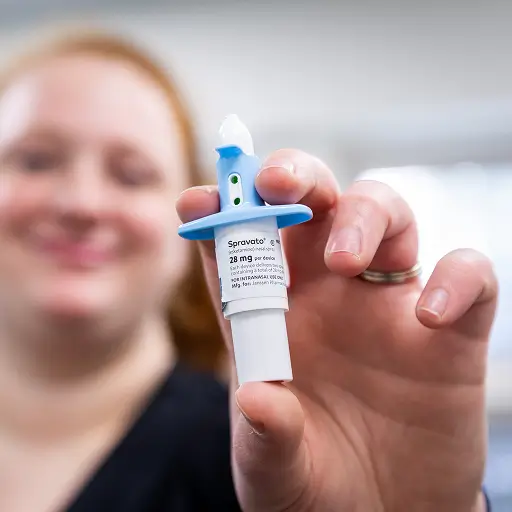
There are two main types of ketamine therapy: Intravenous (IV) ketamine infusion therapy and Intranasal ketamine nasal spray treatment. IV ketamine therapy involves the administration of ketamine through a vein, usually in the arm. Intranasal ketamine therapy involves the administration of ketamine through the nose.
Conditions Treated with Ketamine Therapy
Ketamine therapy effectively treats a wide range of mental health conditions, including depression, anxiety, PTSD, and bipolar disorder. It has also been used to treat chronic pain conditions.
Depression
Depression is a mental health condition that affects millions of people in the United States. Symptoms of depression include feelings of sadness, hopelessness, and a loss of interest in once-enjoyable activities.
For individuals who do not respond to medications, ketamine therapy for treatment-resistant depression may offer a fast-acting alternative.
Anxiety
Anxiety is another common mental health condition that can be debilitating for those who suffer from it. Anxiety symptoms include excessive worry, panic attacks, and avoidance of certain situations or activities.
Ketamine has been shown to help reduce symptoms of anxiety disorders, including generalized anxiety and social anxiety, as part of ketamine treatment for anxiety.
PTSD
Post-traumatic stress disorder (PTSD) is a mental health condition that can develop after experiencing or witnessing a traumatic event. Symptoms of PTSD include flashbacks, nightmares, and hypervigilance.
Ketamine therapy has been shown to relieve PTSD symptoms, particularly in veterans who have experienced combat-related trauma.
Bipolar Disorder
Bipolar disorder is a mental health condition characterized by extreme mood swings, including periods of depression and mania. Ketamine therapy effectively treats bipolar depression, the depressive phase of bipolar disorder. It is not advised to participate in ketamine therapy during manic periods.
Chronic Pain
Chronic pain is a condition that affects millions of people in the United States. Various conditions, including arthritis, fibromyalgia, and neuropathy, can cause it. Ketamine therapy treats chronic pain, particularly neuropathic pain.
What Ketamine Therapy Looks Like
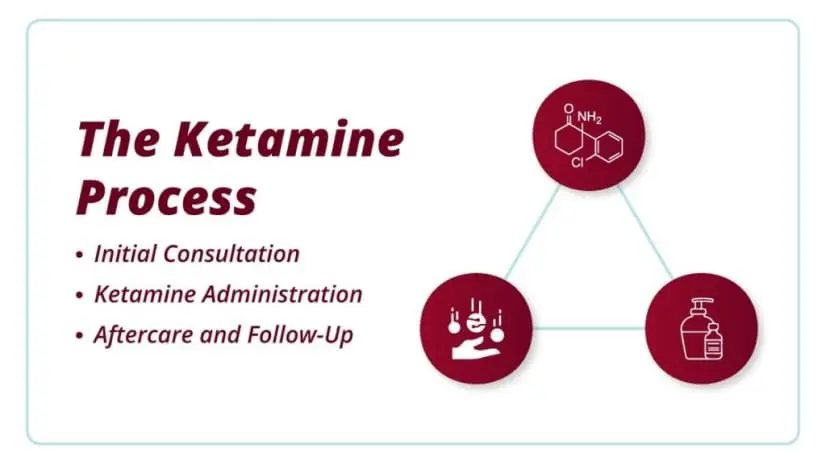
If you’re considering ketamine therapy as a treatment option, it’s important to understand the process involved. Here’s what you can expect during the ketamine therapy process:
Initial Consultation
The first step in the ketamine therapy process is an initial consultation with a healthcare professional. During this consultation, the healthcare professional will assess your symptoms, medical history, and other factors to determine if ketamine therapy is a good fit for you.
Suppose you and your healthcare professional decide that ketamine therapy is a good option for you. In that case, you’ll be given information about the treatment process and what to expect during your ketamine therapy sessions.
Ketamine Administration
The next step in the ketamine therapy process is the administration of the ketamine itself. There are two main methods of administering ketamine: intravenous (IV) and intranasal.
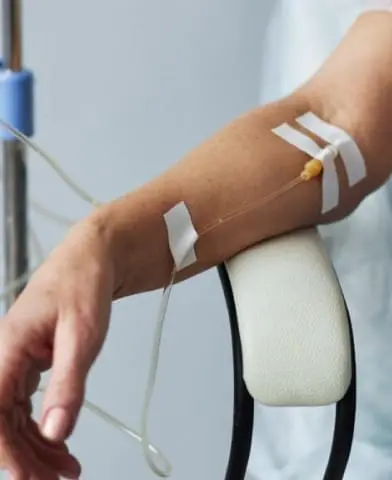
Intravenous ketamine infusions involve the insertion of a small catheter into a vein, usually in the arm. The ketamine is administered through the catheter in a controlled dose over 40 minutes.
Intranasal ketamine therapy involves the administration of ketamine through the nose. This method of administration is less invasive than IV ketamine therapy but may not be as effective for certain conditions.
During the ketamine therapy session, you’ll be monitored closely by a healthcare professional to ensure your safety and comfort. You may feel some mild side effects, such as dizziness or nausea, but these typically subside quickly.
Aftercare and Follow-Up
After the ketamine therapy session, you’ll be monitored to ensure you’re stable and comfortable. You’ll also receive aftercare instructions to help you manage any side effects and ensure a smooth recovery.
It’s important to note that ketamine therapy is not a one-time fix. Most people require multiple ketamine therapy sessions to achieve optimal results, often as part of a structured outpatient treatment plan. The number and frequency of sessions will vary depending on the treated condition and the individual patient.
After each ketamine therapy session, you’ll have a follow-up appointment with your healthcare professional to assess your progress and determine if any adjustments to the treatment plan are necessary.
Finding Ketamine Therapy Near Me
If you’re interested in exploring ketamine therapy as a treatment option, finding a reputable clinic in your area is essential. Here are some tips for finding a ketamine therapy clinic near you:
Ask for Referrals
One of the best ways to find a reputable ketamine therapy clinic is to ask for referrals from your healthcare provider or mental health professional. They may be able to recommend a clinic in your area that has experience treating the condition you’re seeking treatment for.
Do Your Research
Before choosing a ketamine therapy clinic, do your research. Look for clinics that specialize in ketamine therapy and have experience treating the condition you’re seeking treatment for.
Check Credentials
Make sure the clinic you choose has all the necessary credentials and certifications. Look for clinics that are accredited by reputable organizations and staffed by qualified healthcare professionals.
Read Reviews
Read reviews from other patients who have received ketamine therapy at the clinic you’re considering. Look for clinics with positive reviews and a track record of success.
Ask Questions
Don’t be afraid to ask questions about the clinic’s treatment protocols, the experience of the healthcare professionals on staff, and the potential risks and benefits of ketamine therapy.
Risks and Side Effects of Ketamine Therapy
While ketamine therapy is a safe and effective treatment option for certain mental health conditions, it’s important to be aware of the potential risks and side effects associated with the treatment.
Some common side effects of ketamine therapy include dizziness, nausea, and headache. These side effects are usually mild and subside quickly after the treatment session.
While ketamine therapy is generally safe, some risks and complications are associated with the treatment. One potential risk is the possibility of developing a dependence on ketamine, especially if the treatment is used over an extended period.
Another risk is the potential for substance abuse, as ketamine can have hallucinogenic effects when used in higher doses. Additionally, there is a small risk of complications during the administration of ketamine, such as respiratory depression or allergic reactions.
Precautions to Take Before Starting Ketamine Therapy
Before starting ketamine therapy, taking certain precautions is important to ensure the treatment is safe and effective. For example, you should inform your healthcare professional of any medications you’re taking, as certain drugs can interact with ketamine.
You should also be aware of the potential risks and side effects of ketamine therapy and discuss any concerns with your healthcare professional before starting treatment.
Frequently Asked Questions (FAQ)
Has anyone tried ketamine therapy to help depression?
Ketamine therapy has shown promise as a treatment option for mood disorders such as major depression and obsessive-compulsive disorder (OCD). Ketamine infusion therapy can relieve symptoms of major depressive disorder, including suicidal thoughts, when traditional treatments have failed.
While more research is needed to understand the effectiveness and potential risks of ketamine therapy fully, many individuals with mental illnesses have reported positive results and improved quality of life after receiving the treatment.
Suppose you’re considering ketamine therapy for depression or other mood disorders. In that case, discussing the potential risks and benefits with your healthcare professional is critical to determine if it fits your needs well.
How can a patient find a reputable ketamine infusion clinic?
Ketamine infusion therapy is a promising treatment option for individuals suffering from severe depression and other mood disorders. However, finding a reputable clinic is vital to ensure safe and effective treatment.
Patients can start by consulting with medical researchers, doctors, and pain management clinics for professional medical advice on finding a reputable ketamine clinic. Patients can also ask their community for recommendations and experiences with ketamine providers.
Doing online research and reading reviews can also help find a trustworthy clinic. Finding a reputable ketamine clinic can provide hope and a way to manage severe depression and other mental health conditions. Still, it’s important to do due diligence in finding the right clinic for individual needs.
Has anyone found successful treatment after ketamine therapy failed?
While ketamine therapy has shown promise as a treatment option for mood disorders, it may not be effective for everyone. If ketamine therapy fails to provide relief for an individual, other treatment options are available.
These may include traditional treatments such as medication and therapy and alternative treatments like transcranial magnetic stimulation (TMS) and electroconvulsive therapy (ECT). Individuals need to work with their healthcare professionals to find the best treatment plan for their individual needs, even if ketamine therapy is not successful.
Find Effective Ketamine Therapy at Indiana Center for Recovery
Indiana Center for Recovery has a team of experienced psychiatrists and medical professionals who can provide a mental health diagnosis and personalized treatment plan.
Our team is dedicated to providing long-term relief and support for our patients. We include ketamine therapy as a treatment option, along with effective addiction treatments, including detoxification, inpatient and outpatient programs.
Our medical professionals work closely with each patient to create a customized treatment plan that meets their needs and goals.
Contact us today at (844) 650-0064 to learn how we can help you find relief and improve your quality of life.
Indiana Center for Recovery Locations

 100% Confidential
 Call
Call  Available Now
 Verify Your Insurance


 Call (844) 650-0064
