


During the test:
- You sit comfortably in a chair
- Small sensors are placed on your scalp (5-10 minutes)
- You relax while your brain activity is recorded—you won’t feel anything, and the process is quiet and pain-free (20–30 minutes)
After your brain map is complete:
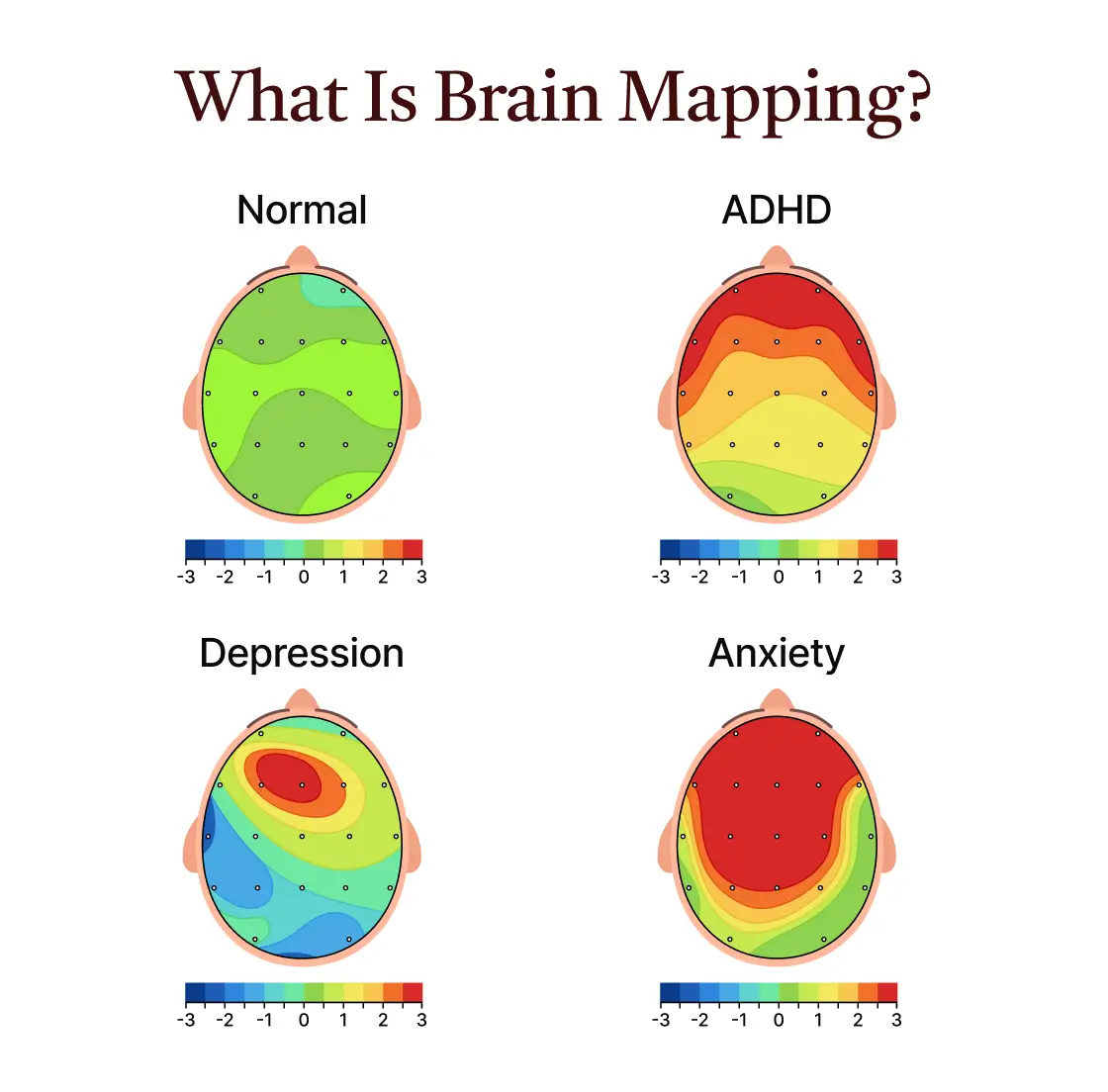
- Your results are reviewed to show how different areas of the brain are functioning
- Patterns linked to your symptoms are identified
- A treatment plan is built based on what your brain actually needs
- Less time spent trying treatments that don’t work
- More clarity on why you’ve been feeling this way
- A more focused plan to help you feel better sooner
- More confidence you’re addressing the root of the problem
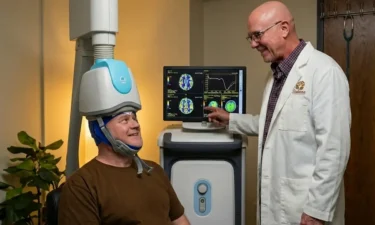
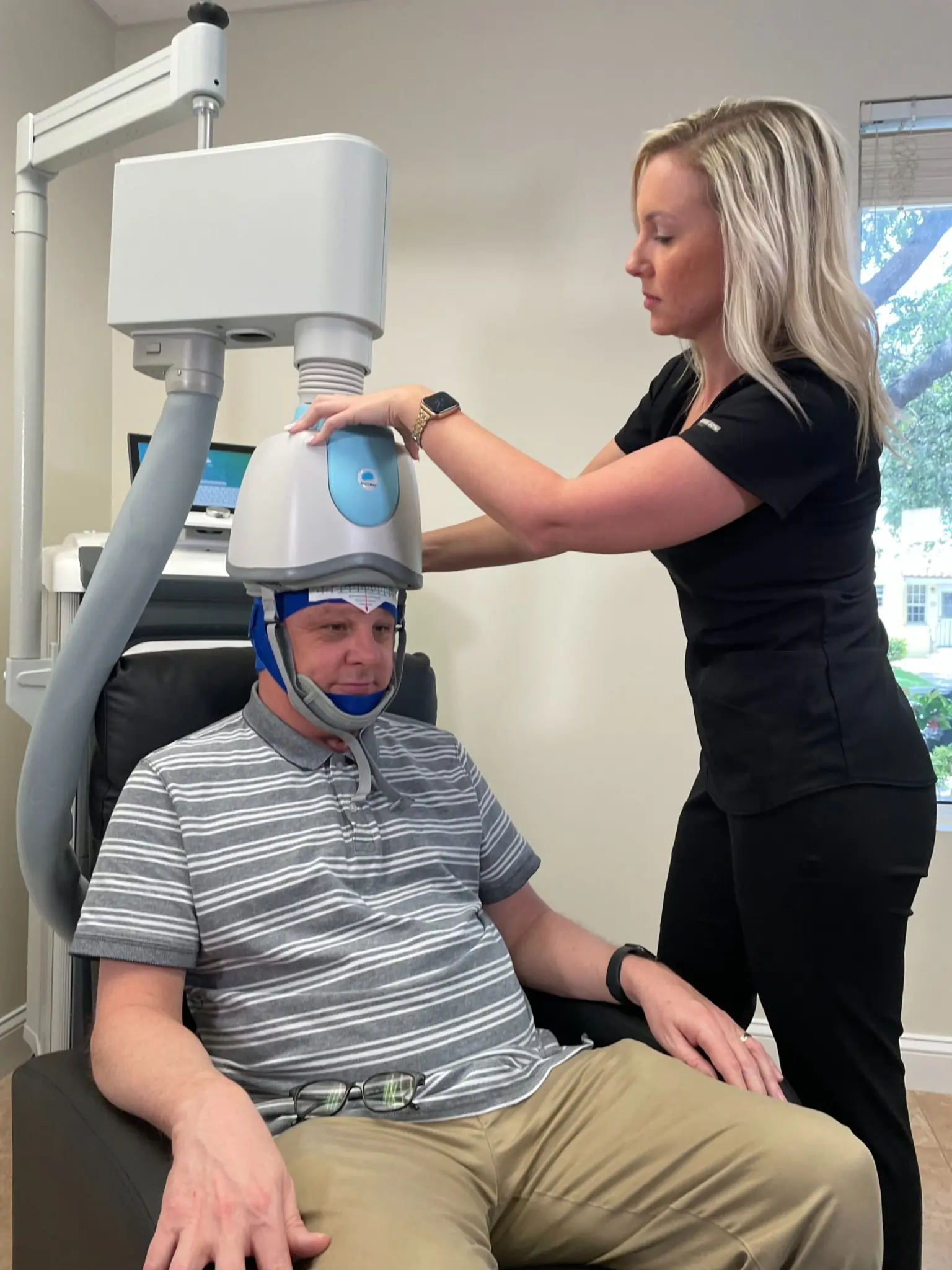
Brain mapping helps in TMS to:
- Pinpoint the right areas so stimulation is focused on the parts of the brain linked to your symptoms
- Adjust intensity and approach based on whether areas are overactive or underactive
- Reduce guesswork instead of using a one-size-fits-all placement
- Improve the likelihood of responding to treatment
Learn more: TMS Therapy
- Attention or focus issues → cognitive or skills-based therapies
- Emotional regulation issues → trauma-informed or emotion-focused therapies
- Stress response patterns → biofeedback therapy
- Overactive patterns may point toward calming or stabilizing medications
- Underactive patterns may suggest medications that increase activity or focus
Brain mapping layered on top of Genesight genetic testing helps further personalize medication selection to spend less time trying medications that don’t work and get you feeling better sooner.
Brain mapping helps answer what kind of help is most likely to work for your brain, which is why it’s valuable even if you’re not considering TMS.
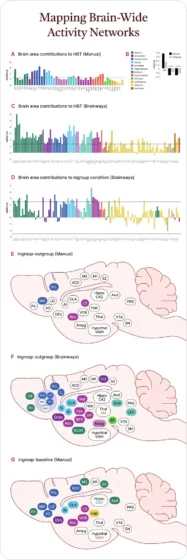
Is Brain Mapping Legitimate?
Brain mapping has been studied for decades, with hundreds of published studies, including:
- 2003: Strong Link Between Brain Patterns and Mental Health Conditions
Research found clear correlations between qEEG brain patterns and conditions like ADHD, depression, and anxiety, helping improve diagnostic clarity.
Thatcher, R. W. et al. (2003). - 2012: More Effective, Personalized Treatment Selection
EEG-informed care helped guide treatment decisions, including medication and neurostimulation, leading to better outcomes than standard approaches.
Arns, M. et al. (2012). - 2017: Brain Mapping Shows Measurable Differences in Mental Health Disorders
Large-scale research confirmed that qEEG can reliably detect abnormal brain activity patterns linked to conditions like depression, ADHD, and anxiety. These patterns were consistent enough to support clinical use alongside traditional evaluations.
Newson, J. J. & Thiagarajan, T. C. (2017). - 2023: Brain-Based Targeting Improves Depression Treatment Precision
Recent research published in Molecular Psychiatry shows that identifying specific brain circuit dysfunctions can significantly improve how treatments like TMS are targeted. This approach moves beyond diagnosis alone and focuses on the exact brain networks involved in symptoms.
Siddiqi, S. H. et al. (2023).
- 2024: EEG Biomarkers Help Predict Treatment Response
Newer clinical findings show that EEG-based biomarkers can help predict which treatments are more likely to work for each patient. This reduces trial-and-error and supports more personalized treatment planning from the start.
Liu et al. (2024).
Is Brain Mapping Right for You?
Brain mapping may be a good fit if:
- Medications haven’t worked or caused unwanted side effects
- Symptoms keep coming back or never fully go away
- You feel stuck, unmotivated, or mentally foggy
- You’ve tried therapy but aren’t seeing progress
- You want a clearer, more targeted approach instead of guessing
Brain Mapping Limitations
Brain mapping is a powerful tool, but it’s not a standalone solution.
- It does not diagnose conditions on its own
- It does not replace a full clinical evaluation
- It does not treat symptoms by itself
It simply makes the next steps clearer, so treatment can be more focused and effective from the start.
Whether you’re in mental health crisis or simply seeking to better your mental health — you can find relief here! Separated options for the highest-level hospitalizations to mid-tier residential rehab and outpatient programs.

When alcohol or drug use takes over your life, treatment here helps you take it back — with dignity, support, and innovative therapies that actually work. Options range from 24/7 detox and inpatient rehab to flexible outpatient programs.
 Verify Your Insurance