



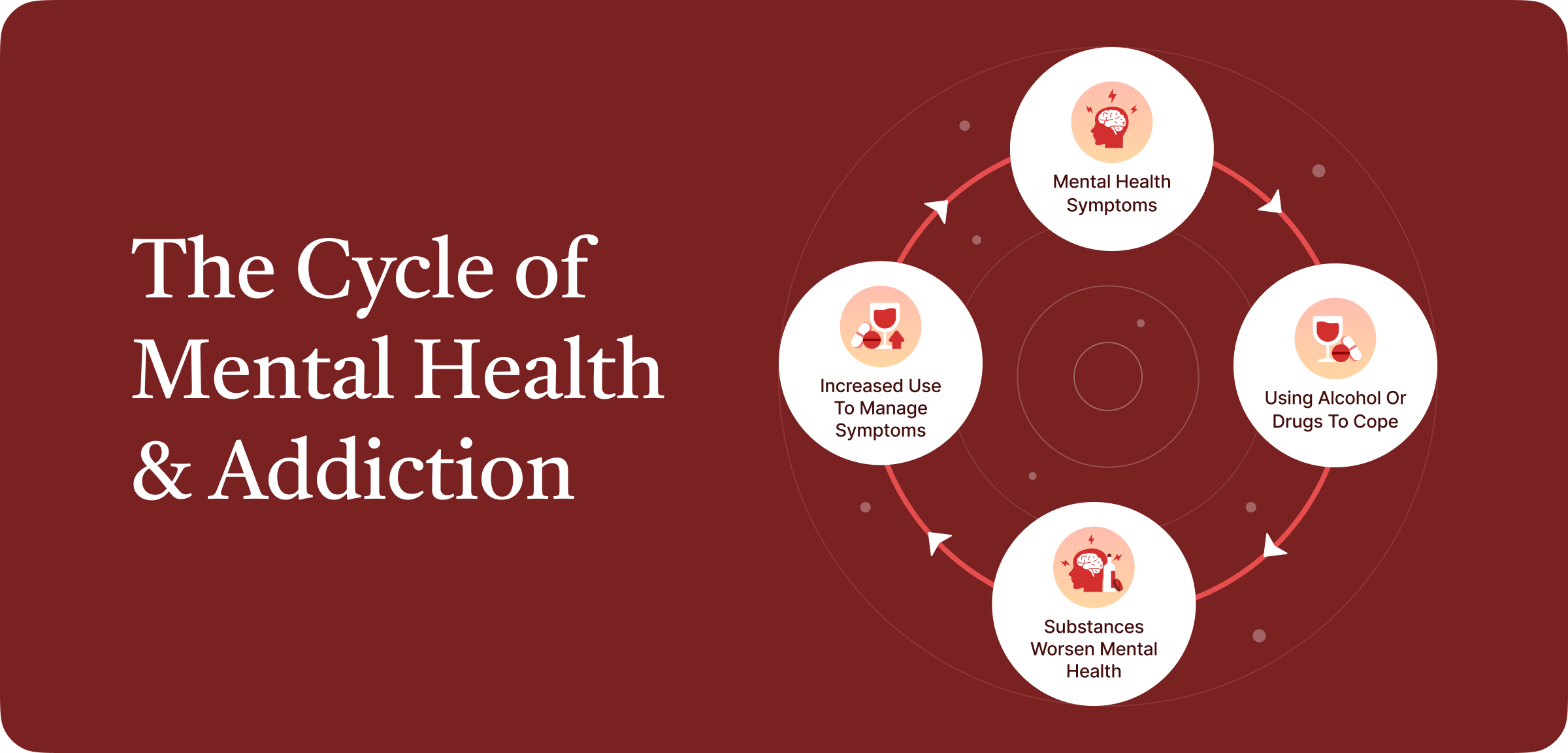
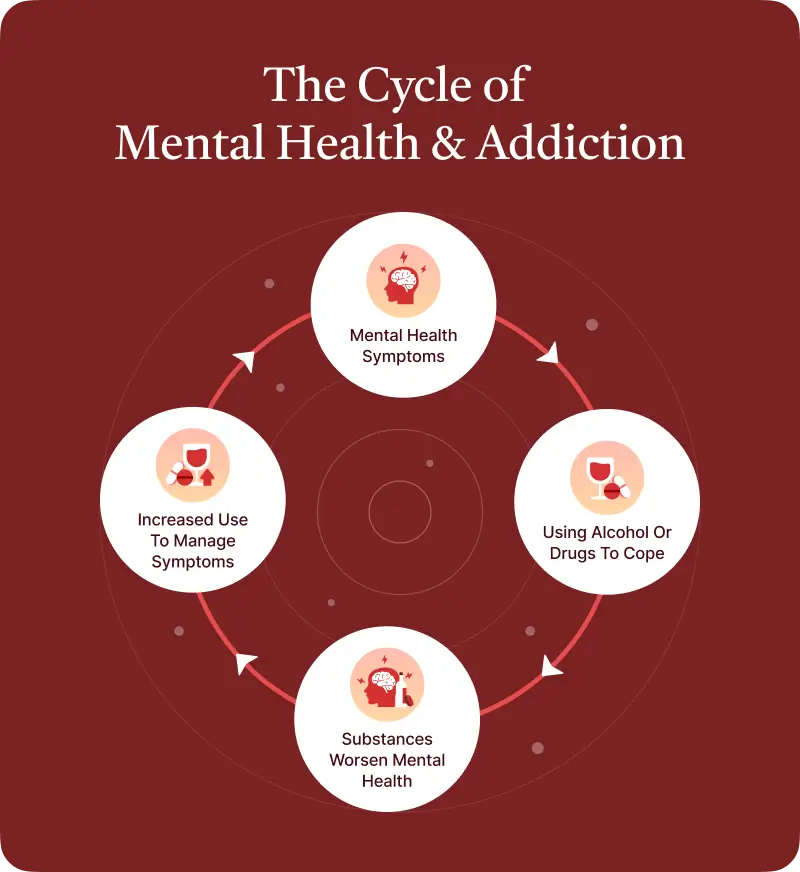
Why Dual Diagnosis Treatment?
This approach helps you:
- Understand what triggers both cravings and emotional swings
- Learn coping skills that reduce the urge to use substances
- Find medication or therapies that stabilize mood and thinking
- Improve sleep, focus, and motivation during recovery
- Build confidence in daily routines and relationships
This kind of care may be right for you if:
- You’ve tried treatment before but symptoms or cravings came back
- You use drugs or alcohol to manage mental health symptoms
- You feel unstable or anxious even when sober
- You’re unsure whether your main problem is addiction or mental health
Mental Health Conditions That Often Occur With Addiction
People with dual diagnosis experience many different mental health symptoms. Some face depression or anxiety that makes cravings harder to control, while others struggle with mood swings, trauma, or thought disorders that need psychiatric support.
Common mental health conditions include:
- Anxiety Disorders (generalized, panic, or social)
- Depression and Bipolar Disorder
- Post-Traumatic Stress Disorder (PTSD)
- Borderline and Antisocial Personality Disorders
- Schizoaffective and Psychotic Disorders
- Attention-Deficit/Hyperactivity Disorder (ADHD)
- Seasonal Affective Disorder (SAD)
- Complicated or Unresolved Grief

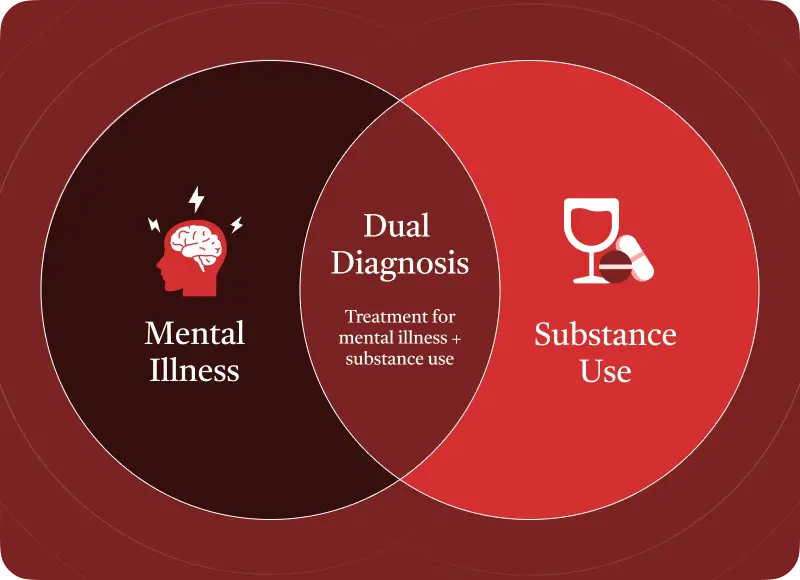
- Thorough Evaluation – Your care team takes time to understand how mental health symptoms and substance use interact, so treatment targets the root causes rather than just the symptoms.
- Individualized Care Plans – Treatment is tailored to your needs, drawing from both mental health and addiction expertise to create a plan that fits your situation.
- Evidence-Based Therapies – Proven approaches like CBT, DBT, trauma-informed therapy, and medication management help address both conditions at the same time.
- Coordinated Support – Therapists, doctors, and support staff work closely together so your mental health and addiction treatment stay aligned.
Focus on Long-Term Stability – Care includes relapse-prevention planning and ongoing mental health support to help you stay stable after treatment.
This approach means you don’t have to choose between treating addiction or mental health.
Nationally Recognized Dual Diagnosis Treatment
Indiana Center for Recovery is trusted by patients and healthcare professionals across the state for integrated mental health and addiction care.
Recognitions and Accreditations
- Newsweek – Best Addiction Treatment Centers in Indiana (5 Years in a Row)
- Top Cognitive Behavioral Therapy Services Provider – Healthcare Business Review
- Accredited by The Joint Commission and CARF
- One of the largest providers of mental health and addiction treatment in Indiana
A Variety of Therapy Options for Dual Diagnosis
You combine innovative and holistic therapies with a variety of gold-standard approaches to find what works best for you, including:
Core Therapies
- Cognitive Behavioral Therapy (CBT)
- Dialectical Behavior Therapy (DBT)
- Mindfulness-Based Cognitive Therapy (MBCT)
- Acceptance and Commitment Therapy (ACT)
- Medication-Assisted Treatment (MAT)
- Motivational Interviewing (MI)
- Psycho-Educational Therapy
- Trauma-Focused Therapies
- Experiential Therapy
- Relapse Prevention and Aftercare Planning
Holistic Therapies
Layering alternative options helps your body and mind relax, reset, and reconnect after intensive therapy sessions. They also help release stress and emotion that may be difficult to express through words alone.
- Chiropractic
- Art Therapy
- Reiki Therapy
- Acupuncture
- Music Therapy
- Massage Therapy
- Yoga and Meditation
- Equine and Recreational Outings
- Recreational or Adventure Therapy
- Fitness and Nutrition (Registered Dietitian Support)
Cutting-Edge Therapies
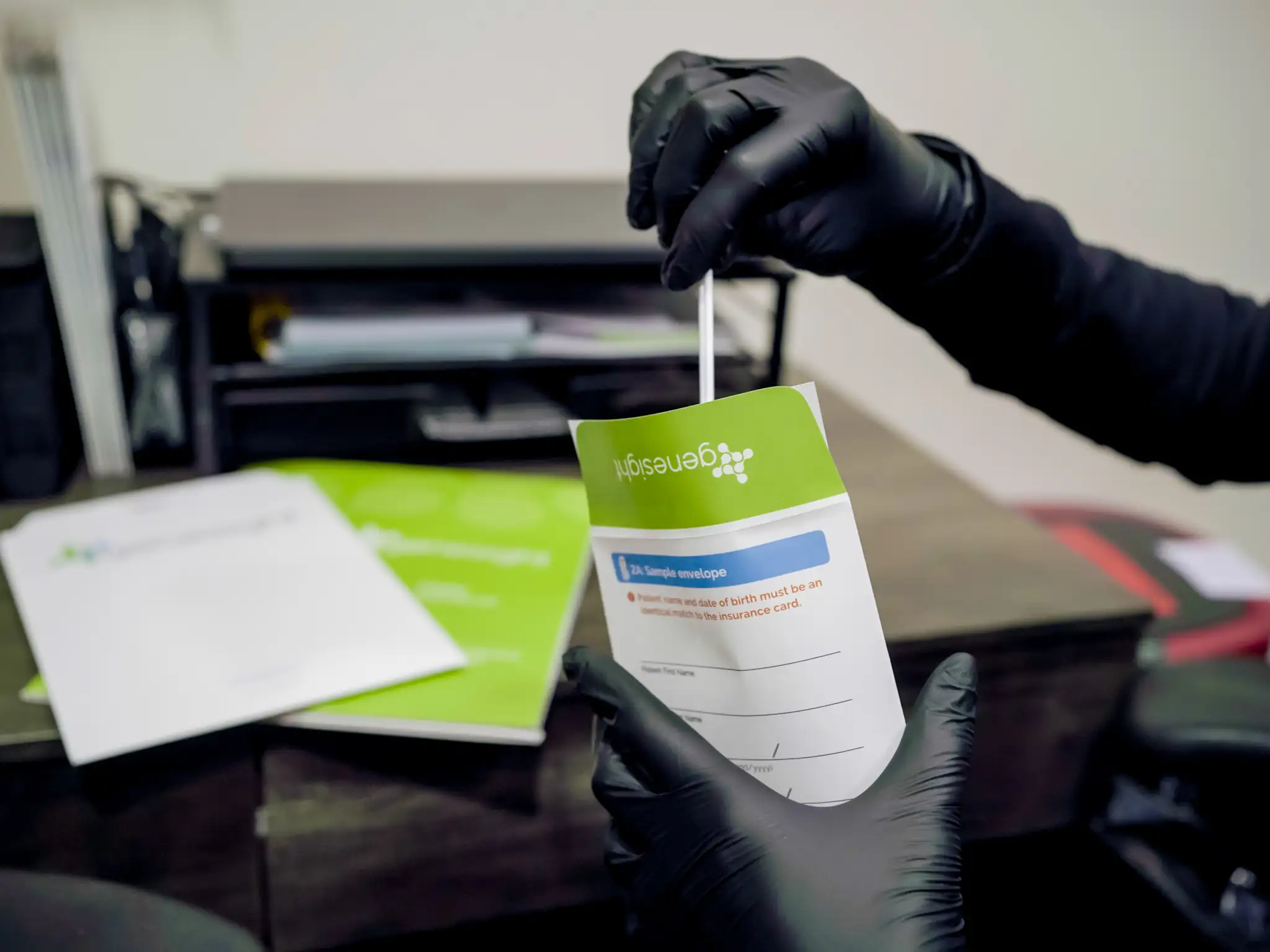
GeneSight is an advanced genetic test that shows how your genes affect medication response — taking out the guesswork for faster relief, fewer meds, and less frustration.
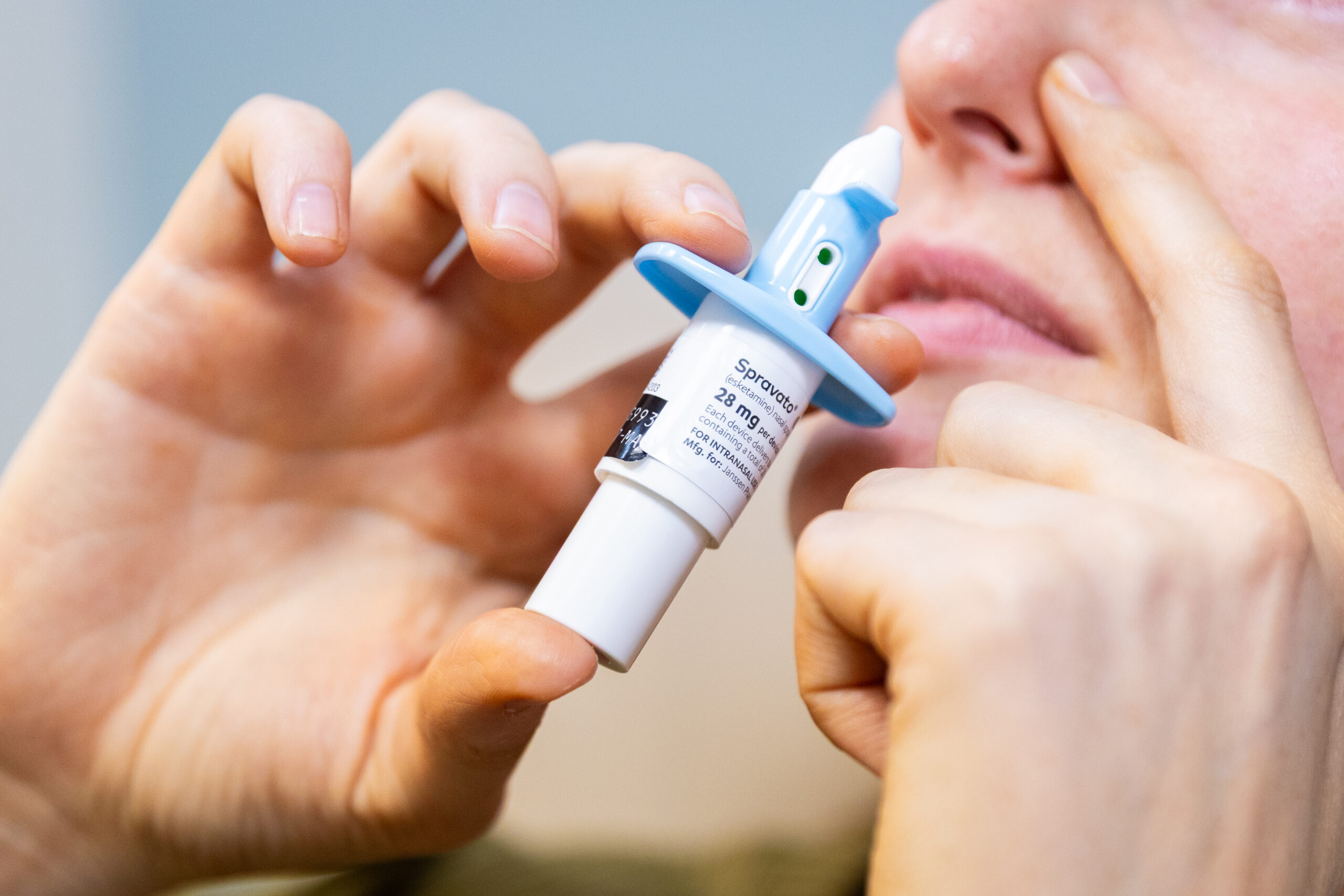
Spravato® is a fast-acting esketamine nasal spray for severe or treatment-resistant depression. With medical supervision, it can relieve symptoms within hours.
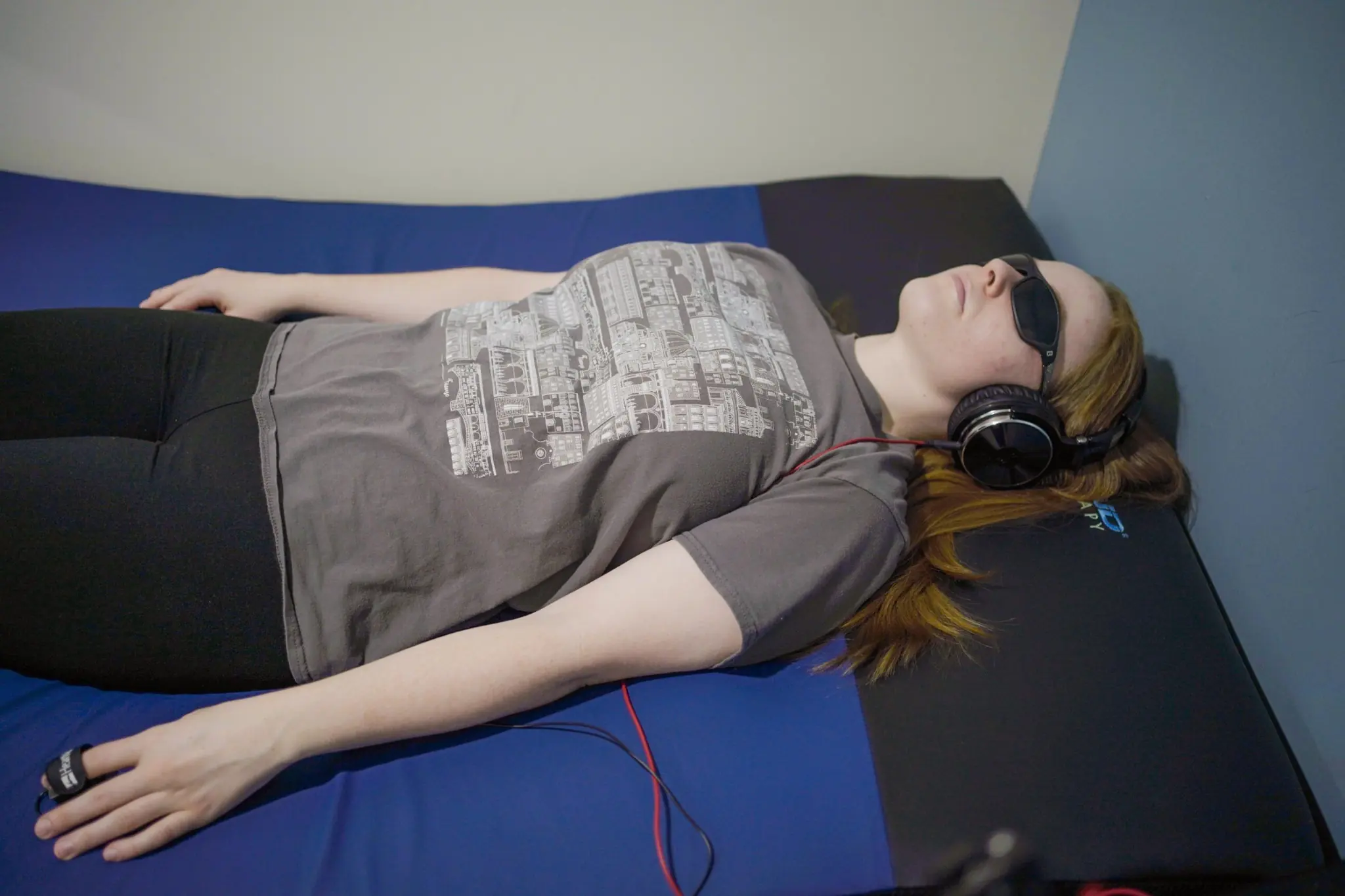
Biofeedback is a powerful, medication-free treatment that helps you learn to calm your nervous system and regulate your body’s response to stress, anxiety, and trauma.

EMDR uses guided eye movements to rewire the brain’s response to distressing memories — healing trauma without talking through every detail.

TMS is a noninvasive, FDA-approved treatment that uses magnetic pulses to stimulate areas of the brain — improving mood, energy, and focus without side effects.
Dual Diagnosis Treatment at Every Level of Care
Mental health and addiction are treated together at every stage of care at Indiana Center for Recovery.
Some people begin in detox or inpatient psychiatric care, where doctors help stabilize withdrawal symptoms and urgent mental health concerns. From there, many move into residential dual diagnosis rehab, where daily therapy and medication support focus on the underlying causes of both addiction and mental health symptoms.
As you progress, outpatient programs provide continued therapy, psychiatric care, and relapse-prevention support while you transition back into everyday life. This approach helps ensure that mental health and addiction are addressed together throughout treatment.
Experts in Mental Health and Addiction
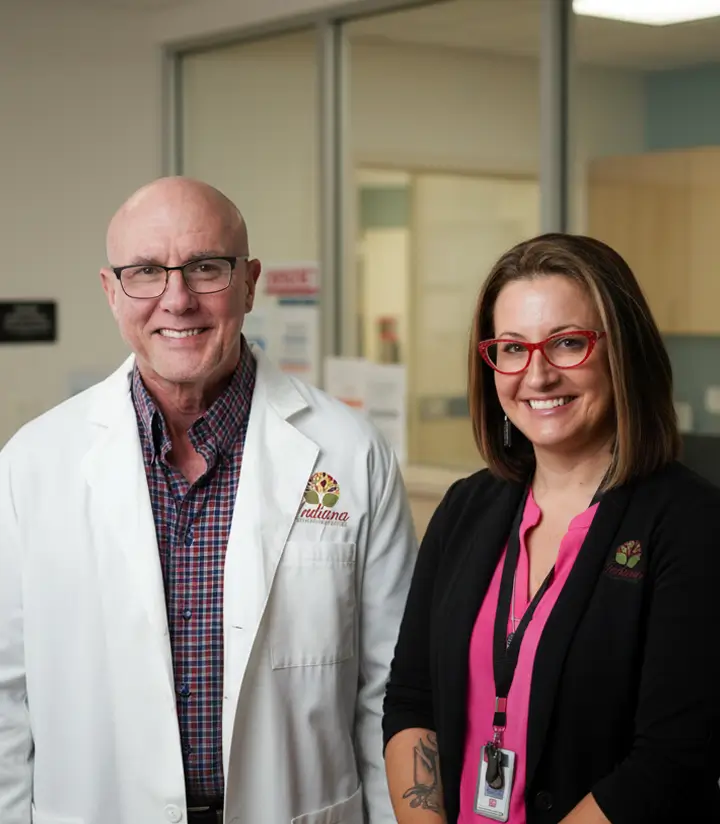
Getting help for both mental health and substance use means working with people who understand how closely they’re connected. Treatment here is led by licensed professionals who combine medical expertise with compassion and lived experience.

Dr. Michael Kane MD
Chief Medical Director

Jackie Daniels LCSW
Director of Clinical Development
When People Finally Get the Right Care


Being a dual diagnosis center was a plus for me. I’ve been able to stay clean and sober as well as rebuild my marriage and reconnect with my children. If you have family or friends that suffer from mental illness and substance abuse I highly recommend contacting ICFR.

I’ve struggled over a decade with both mental health and substance abuse issues; it’s been incredibly challenging to find a facility that could address my dual diagnosis. I discovered Indiana Center for Recovery and I am SO GRATEFUL that I did. They helped me address significant trauma and process personal issues that were negatively affecting my ability to be successful in recovery.

I truly enjoyed my experience at ICFR and learned great tools on how to cope with my emotions, traumas, addiction, and past experiences. The staff, med team, and techs do a wonderful job helping you with anything you may need. I would recommend ICFR to anyone with dual diagnosis issues, mental and addiction treatment.

Insurance Coverage for Dual Diagnosis Treatment
Treatment for dual diagnosis is often covered in-network, and many patients pay little or nothing out of pocket. You can verify coverage quickly and privately without commitment. It’s the easiest way to see what’s covered and take the first step toward feeling better.
 Verify Your Insurance