
 100% Confidential

 Registered Genesite Provider

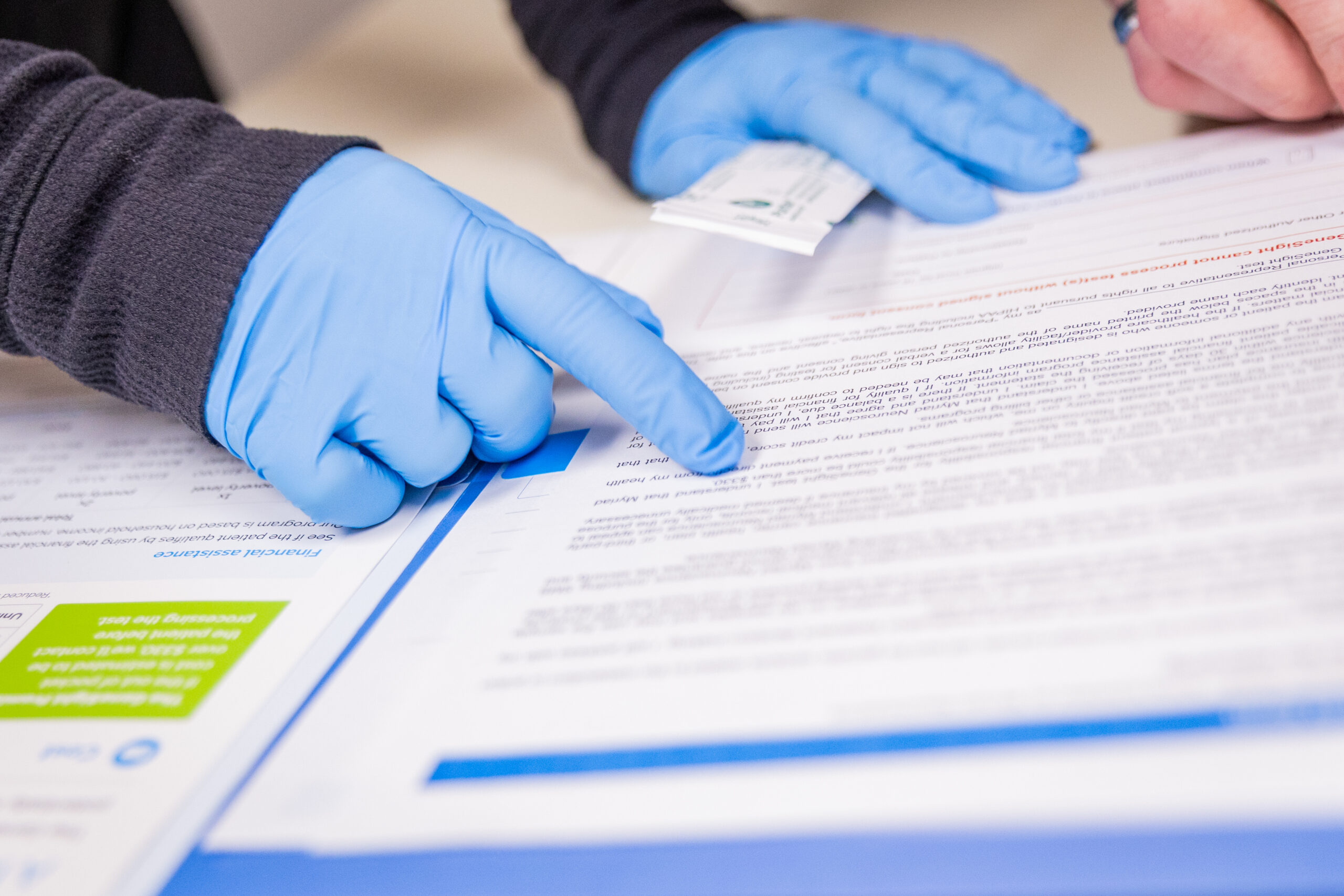
What to Expect from a GeneSight Test
The process is straightforward and the end result is clarity and confidence with medications that can help.
Types of Medications Tested by GeneSight
- Antidepressants: such as SSRIs (e.g. sertraline, fluoxetine), SNRIs (e.g. venlafaxine, duloxetine), and atypicals (e.g. bupropion, mirtazapine)
- Anti-anxieties: such as SSRIs/SNRIs with anxiety indications (e.g. paroxetine, escitalopram)
- Mood stabilizers: such as lamotrigine, valproate, and carbamazepine
- Antipsychotics: such as aripiprazole, risperidone, olanzapine (used for bipolar, schizophrenia, and sometimes depression)
- ADHD treatments: including stimulants (e.g. methylphenidate) and non-stimulants (e.g. atomoxetine)
GeneSight Reports
A GeneSight report groups common mental health medications into color categories based on how they match your genetics.
- Green medications usually fit well.
- Yellow medications might need closer monitoring or dose changes.
- Red medications are most likely to cause problems.
Next to each medication, the report shows which of your genes are involved in that match. For example, some generic markers influence enzyme systems in the liver. If those enzymes work very fast, a medication can clear out before it has much effect. If they work very slowly, even a standard dose can build up and cause more side effects.
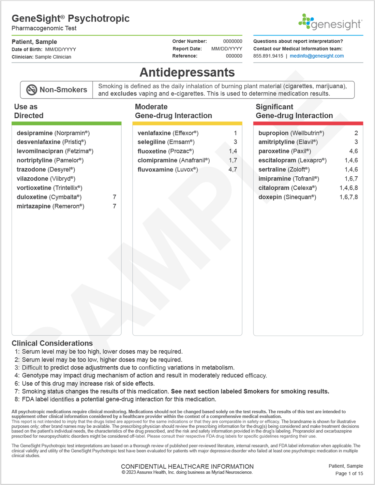
Your provider reviews the report with you to discuss:
- Medications you have tried before and where they fall on the report
- Medications you have never tried in the green group
If a medication you currently take shows yellow, you may decide to adjust the dose, add monitoring, or keep it the same if it is clearly helping.
Examples Of How The Report Can Guide Treatment
A medication that helped your mood caused intense side effects, even at low doses. The report shows you process that medication very slowly. Your provider can then look for a similar medication that is processed in the body differently.
Stimulant medication for ADHD helped focus but increased anxiety or affected sleep. The report highlights alternatives where your metabolism and receptor genes suggest a lower risk of those side effects, which can be especially important if you are also dealing with substance use.
The report does not force one “right” medication. It adds another layer of information so medication changes are more thoughtful and aligned with your body.
Is GeneSight Right for You?
You don’t need to be on medication to benefit from GeneSight. It’s often used at the beginning of treatment to guide an initial prescription.
If you’re already taking medication, testing can confirm whether it’s the right fit, suggest better options, lower the risk of side effects, and guide care for co-occurring conditions.
GeneSight can be especially helpful if:
- You’ve tried two or more medications without feeling better
- You’ve stopped treatment because of side effects
- You’re anxious about starting a new psychiatric medication
- You want a more personalized, data-backed way to choose medications
- You’re currently in treatment for depression, anxiety, ADHD, PTSD, substance use, or bipolar disorder
Key Benefits of Genetic Testing with GeneSight
GeneSight is supported by extensive research, including multiple peer-reviewed studies. Compared to treatment using traditional prescribing, patients using GeneSight experience:
- 50% greater improvement in symptoms ⓘ
- 40% drop in medication switching ⓘ
Other benefits of GeneSight testing include:
- Reduces Trial-and-Error Prescribing
- Improves Medication Outcomes
- Leads to Faster Relief
- Supports Medication Adherence
- Guides Safer, Smarter Dosing
- Helps Avoid Side Effects
- Covered by Most Insurance Plans
GeneSight Testing Limitations
- Can’t guarantee the perfect medication
- Some meds don’t have strong pharmacogenomic data yet
- It works best as one piece of a full medical and mental health evaluation
Getting GeneSight Testing
Indiana Center for Recovery is one of very few Registered GeneSight Providers in the state.
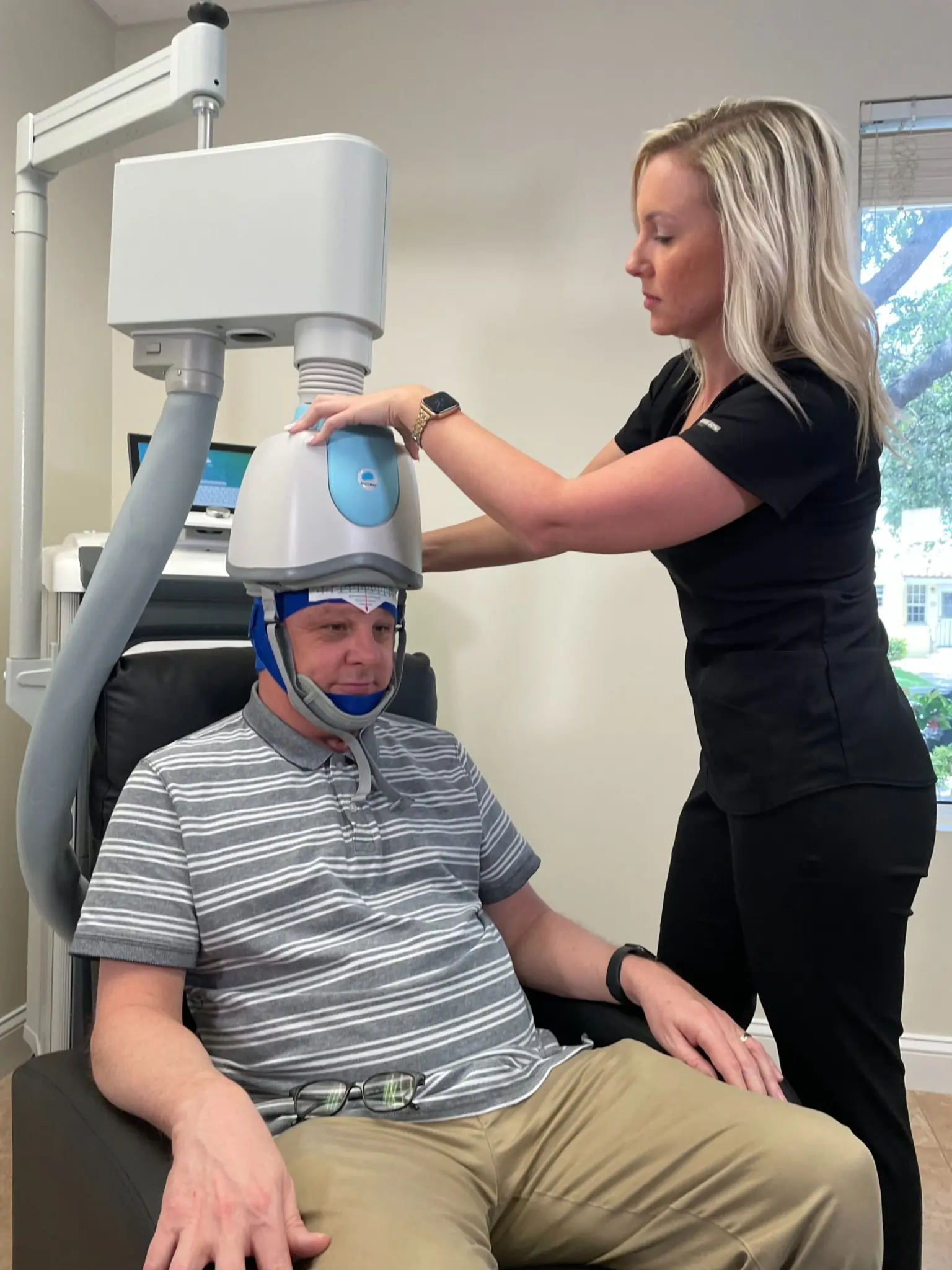
Beyond medications, you have access to other cutting-edge treatments too. Non-medication options like TMS, Biofeedback, and EMDR Therapy, as well as NAD+ IV Therapy and Ketamine Therapy which also don’t involve ongoing daily medication.
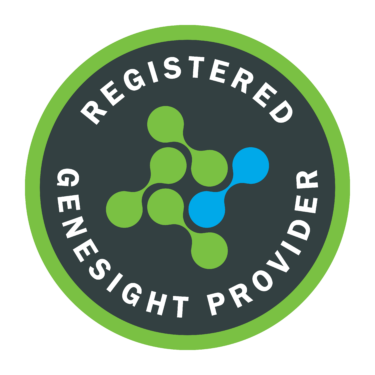
GeneSight testing is part of both treatment tracks:
Whether you’re in mental health crisis or simply seeking to better your mental health — you can find relief here! Separated options for the highest-level hospitalizations to mid-tier residential rehab and outpatient programs.

When alcohol or drug use takes over your life, treatment here helps you take it back — with dignity, support, and innovative therapies that actually work. Options range from 24/7 detox and inpatient rehab to flexible outpatient programs.
How GeneSight Helped Patients Finally Find the Right Medication


Trusted by Thousands
I took did GeneSight testing, and am on the number one medication for me for depression, bipolar, PTSD, anxiety, and ADHD. It works for me.
I found it really helpful!! I was on Prozac and Strattera. Turns out, Prozac majorly inhibits the effectiveness of a lot of medications such as other antidepressants and many ADHD meds. I just started Wellbutrin instead. It’s working a whole lot better!
My daughter had GeneSight after she tried 3 different meds for combo ADHD and anxiety. It was spot on with the meds she had reactions to and gave us better options. I can’t stress enough how good it is to know which anxiety meds to avoid.
Often Covered By Insurance
GeneSight testing is usually covered by insurance plans – including Blue Cross Blue Shield, Aetna, Tricare, and Medicaid in many states (including Indiana). Any cost to you is as low as possible — sometimes even zero. Reach out now to check your specific policy. No one is notified if you reach out and there is no commitment.
 Verify Your Insurance






 100% Confidential
 Call
Call  Available Now

 Call (844) 650-0064
