 100% Confidential

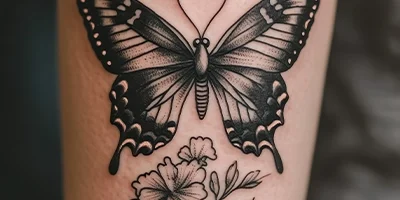
Mental Health Tattoo Ideas

Explore mental health tattoo ideas with Indiana Center for Recovery and find designs that symbolize resilience.

More than 1.1 million adults in Indiana live with a mental health condition ⓘ
These issues can affect every part of life. Recognizing the signs of a mental health condition can help you know when something’s wrong and what your options are for getting support and treatment.
Mental health conditions are medical disorders that affect mood, thinking, and behavior. They can change how a person feels, processes information, and functions in daily life.
Some conditions develop gradually, while others show up suddenly. They may be short-term or ongoing.
Mental health conditions are complex medical issues shaped by genetics, brain chemistry, life experiences, and environment — and they can be treated.
Want to better understand mental health, symptoms, and treatment options? Our blog covers it all — from recognizing early warning signs to exploring therapy types, medication, and how to support someone who’s struggling.
Explore mental health tattoo ideas with Indiana Center for Recovery and find designs that symbolize resilience.

Discover how cumulative trauma affects mental health and explore treatment options at Indiana Center for Recovery.

Explore histrionic personality disorder, its symptoms, and treatments with support from Indiana Center for Recovery.

Explore signs, causes, and treatments of Avoidant Personality Disorder with Indiana Center for Recovery insights.

Learn about the causes, symptoms, and treatments of dependent personality disorder with Indiana Center for Recovery.
Explore the symptoms, causes, and treatments for narcissistic personality disorder with Indiana Center for Recovery.

Living with intense mood swings is hard enough. Getting the wrong diagnosis can make it even harder. Borderline Personality Disorder (BPD) and Bipolar Disorder share some symptoms, yet they are two separate conditions that need different care. Understanding where they overlap, and where they don’t can guide you or a loved one toward the right help and better recovery.

Help a loved one through depression with these tips from Indiana Center for Recovery.

Navigate the journey to finding the right mental health treatment center with our expert guide. Understand key factors like treatment types, inpatient vs. outpatient options, and financial assistance to make an informed choice for your or a loved one's recovery.
Indiana Center for Recovery provides integrated care tailored to your recovery needs. Our comprehensive services include detox, residential programs, outpatient support, and family programs.
We also have dual diagnosis treatment for individuals with co-occurring mental health disorders.
 Call(844) 650-0064
 Available Now
 Verify Your Insurance

Error: Contact form not found.
 Get Answers Now
You don’t have to figure this out alone. We can guide you through your options—completely confidential and with zero commitment.
100% Private
