
 100% Confidential



EMDR Therapy Targets the Root Memories Behind Anxiety, PTSD, OCD, and Depression
Clinically Reviewed by:

Eye Movement Desensitization and Reprocessing (EMDR) therapy works by targeting the unprocessed memories driving symptoms like anxiety, PTSD, depression, and, in some cases, OCD.
Many people experience ongoing symptoms because the underlying experiences were never fully processed. EMDR therapy uses a structured, evidence-based approach to help the brain reprocess those experiences so they no longer trigger the same emotional and physical responses.
EMDR Therapy for PTSD Processes Traumatic Memories So They Stop Controlling Your Present
Post-traumatic stress disorder (PTSD) is the strongest and most established use case for EMDR therapy. EMDR is recommended for PTSD by organizations such as the American Psychological Association (APA).
When you experience trauma, the brain can store the memory alongside the original sights, sounds, and intense fear response. This is why triggers can cause flashbacks, panic, or physical distress long after the event has passed.
EMDR therapy for PTSD uses bilateral stimulation to help your brain properly reprocess these memories. The memory remains, but the emotional and physical reactions lose intensity. You stop reliving the experience in the present, even when triggers are present.
EMDR therapy for PTSD is delivered as part of an evidence-based trauma treatment plan, often combined with therapies like CBT and DBT, as well as support for co-occurring mental health or substance use conditions at Indiana Center for Recovery.
EMDR Therapy for Anxiety Disconnects Your Panic Response From Past Experiences
Severe anxiety often develops from earlier distressing experiences that trained your nervous system to stay on high alert.
Even when those situations are no longer happening, your brain continues reacting as if they are still a threat. This is why anxiety can feel constant, unpredictable, or out of proportion to the moment.
EMDR therapy for anxiety targets these underlying experiences. Instead of focusing only on coping skills, it helps reprocess the events that originally programmed the panic response.
As those memories are processed, your nervous system stops reacting to everyday situations as if they are dangerous.
EMDR Therapy for Depression Rewires the Negative Core Beliefs Behind Depression
Depression often connects to unresolved experiences that shaped how you see yourself, your safety, or your future.
Over time, these experiences can form negative core beliefs like feeling helpless, unworthy, or without control. Even when you recognize these thoughts are not accurate, the emotional weight behind them remains.
EMDR therapy for depression targets the specific memories that reinforced these beliefs. As those experiences are reprocessed, the brain stops storing them in a way that continues to trigger hopelessness or emotional shutdown.
EMDR Therapy for OCD Addresses Underlying Trauma Rather Than Primary Compulsions
EMDR therapy is not a first-line treatment for obsessive-compulsive disorder, but it is effective in specific cases.
OCD is typically driven by intrusive thoughts and compulsive behaviors, and treatments like Exposure and Response Prevention (ERP) are designed to address those patterns directly. However, many people with OCD also have underlying distressing experiences that increase baseline anxiety and intensify symptoms.
EMDR therapy for OCD targets those underlying memories rather than the compulsions themselves. By reducing the emotional intensity connected to those experiences, it can lower the overall anxiety that fuels obsessive-compulsive cycles.
The Conditions That Respond Best to EMDR Therapy Share a Foundation in Unprocessed Memory
EMDR produces the most consistent results for conditions rooted in specific, identifiable past experiences.
EMDR is recognized by multiple clinical guidelines, including those from the APA, VA/DoD, and international organizations, as an effective treatment for trauma-related conditions ⓘ.
PTSD, complex trauma, and phobias respond especially well because they are directly linked to distressing events the brain did not fully process. Anxiety and depression also respond when symptoms are tied to identifiable experiences or patterns.
Conditions driven primarily by neurological or chemical factors often require additional or different primary treatments.
At Indiana Center for Recovery, treatment plans are built around your diagnosis and symptom profile, so therapies like EMDR are used where they will be most effective.
You Know EMDR Will Work for You When Standard Talk Therapy Stops Producing Results
You may be a strong candidate for EMDR if you understand your experiences but your reactions have not changed.
Traditional talk therapy helps you make sense of patterns, but insight alone does not always stop the physical symptoms. You may know you are safe, yet still feel anxious, overwhelmed, or shut down in certain situations.
EMDR targets how those experiences are stored in the brain. Instead of continuing to analyze them, the therapy helps reprocess the memory so your nervous system stops reacting the same way.
You do not need to describe every detail of what happened for EMDR to be effective. The focus is on the memory itself while the therapist guides the process.
EMDR Bypasses the Need to Talk Endlessly About Your Trauma Compared to Traditional Therapy Approaches
EMDR uses bilateral stimulation to engage the brain’s natural ability to process and resolve distressing memories.
Unlike traditional talk therapy, which often requires repeated discussion and analysis of painful experiences, EMDR allows the brain to reprocess the memory internally. This reduces the need to repeatedly explain or relive what happened.
For many people, this makes treatment more tolerable—especially when talking through past experiences feels overwhelming or retraumatizing.
EMDR Succeeds Most Often When Integrated Into a Comprehensive Treatment Plan
A single therapy rarely resolves complex mental health conditions on its own.
EMDR is most effective when used as one part of a structured treatment plan that also addresses behavioral patterns, brain chemistry, and co-occurring conditions. This is especially important for people experiencing both mental health and substance use challenges.
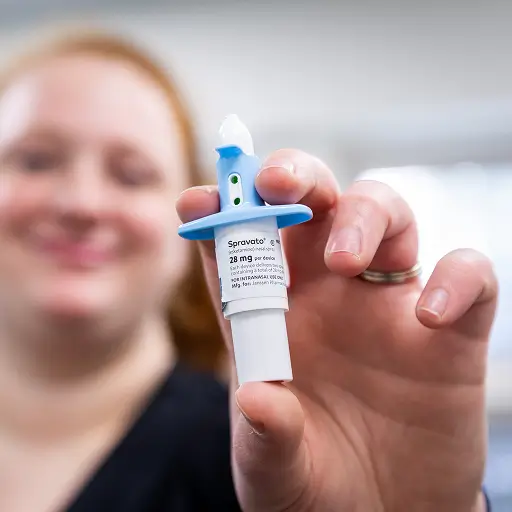
At Indiana Center for Recovery, EMDR is integrated with therapies like CBT and DBT, medication management, and advanced options such as TMS or Spravato when clinically appropriate. This allows treatment to address both the root cause of symptoms and the factors that maintain them.
Start With a Clinical Evaluation to Build Your Treatment Plan
You do not have to determine on your own whether EMDR is the right approach.
A clinical evaluation can help determine whether EMDR should be part of your treatment plan. This ensures you are not wasting time on approaches that do not address the root cause.
Indiana Center for Recovery accepts most major insurance plans, making treatment more accessible when you are ready to take the next step. Admissions can help you verify insurance, understand your options, and begin treatment without unnecessary delays.
Indiana Center for Recovery Locations

 100% Confidential
 Call
Call  Available Now
 Verify Your Insurance


 Call (844) 650-0064
