
 100% Confidential

Red Light Therapy’s Role In Mental Health
Clinically Reviewed by:

Red light therapy (RLT) is gaining attention for its potential benefits beyond physical healing. Recent research suggests that this non-invasive treatment, using specific wavelengths of red and near-infrared light, may positively affect mental health conditions.
Unlike traditional therapies, red light therapy doesn’t involve medication or invasive procedures, making it a promising alternative for those seeking natural approaches to mental wellness. Keep reading as we delve into the crucial role of this therapy in mental health care.
Key Takeaways
Red light therapy (RLT) utilizes specific wavelengths of light to potentially improve mental health and overall well-being. This article covers:
- RLT works by enhancing mitochondrial function, balancing neurotransmitters, and reducing inflammation.
- RLT shows promise in alleviating symptoms of various mental health conditions through its therapeutic effects.
- Starting with the right device and following recommended protocols can optimize the benefits of RLT.
Contact Indiana Center for Recovery at (844) 650-0064 to explore how our services can support your mental health journey.
What Is Red Light Therapy (RLT)
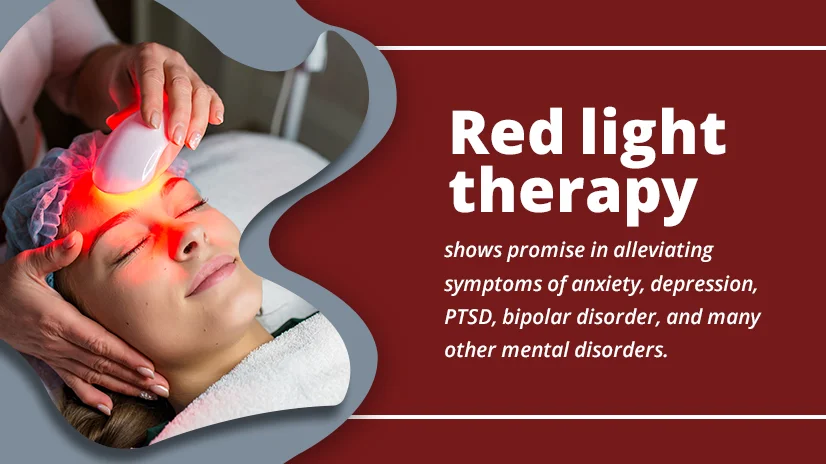
Red Light Therapy (RLT), or low-level laser therapy (LLLT), is a non-invasive treatment method that utilizes low-level red light wavelengths to promote healing and reduce pain. This therapy is based on the principle that certain wavelengths of light can penetrate the skin and stimulate cellular function.
RLT traces its origins to NASA’s research in the 1990s, where it was used to grow plants in space. Scientists observed that red light helped promote cell growth and tissue repair. Over time, this technology transitioned to therapeutic use in healthcare and wellness fields.
Here are the common types of red light therapy devices:
- LED Panels: These devices emit specific wavelengths of red light and are often used for whole-body treatments.
- Handheld Devices: Compact and portable, these devices are suitable for targeted therapy in smaller areas.
- Bed-Style Devices: Designed for full-body treatments, these devices resemble tanning beds but emit therapeutic red light instead.
These devices differ in intensity, wavelength range, and coverage area, allowing flexibility in treatment protocols for conditions like skin disorders, musculoskeletal injuries, and even mental health issues.
How Does It Work
Red light therapy (RLT) offers a promising approach to enhance healing and support mental health. Here’s how it works:
The Science Behind Red Light Therapy
Red light therapy utilizes wavelengths of light to penetrate the skin without causing harm. These wavelengths are absorbed by mitochondria, the powerhouses of cells, where they stimulate energy production. This boost in cellular energy promotes healing and reduces inflammation. Moreover, red light affects the brain by increasing blood flow and promoting the release of serotonin, a neurotransmitter associated with mood regulation.
Overview Of The Biological Mechanisms
At a cellular level, red light therapy triggers various biological responses. It enhances mitochondrial function, increasing ATP (adenosine triphosphate) production, which fuels cellular processes and accelerates tissue repair. Additionally, red light therapy modulates oxidative stress, reducing inflammation and pain. The brain influences neural activity and neurochemical balance, contributing to improved mood and cognitive function.
By understanding its mechanisms, we can explore how this therapy enhances cellular function and potentially improves overall well-being.
Mental Disorders Addressed By Red Light Therapy
Red light therapy (RLT) shows promise in addressing various mental disorders through its non-invasive approach and potential to influence cellular functions positively.
Major Depressive Disorder (MDD)
Major depressive disorder (MDD), a common mental health condition marked by persistent sadness and loss of interest, may benefit from red light therapy. Research suggests that red and near-infrared light therapy—sometimes referred to as photobiomodulation—may influence brain activity and support healthy cellular function.
Some early studies have explored whether applying light therapy to areas of the forehead can affect regions of the brain involved in mood regulation. Researchers believe the therapy may help improve blood flow and support energy production in brain cells, which could play a role in emotional balance. A review of clinical research on transcranial photobiomodulation found that early studies suggest it may influence biological processes connected to depression and mood regulation. ⓘ
Although early findings are promising, research on red light therapy for depression is still developing. Most studies have involved small groups of participants, and scientists are still working to understand how often treatments should be used and which wavelengths are most effective. Because of this, red light therapy is typically viewed as a complementary approach rather than a primary treatment for depression, alongside other non-medication treatments such as transcranial magnetic stimulation (TMS).
Anxiety Disorders
Anxiety disorders, including generalized anxiety disorder (GAD) and social anxiety disorder, involve persistent worry, fear, and heightened stress responses. Researchers are exploring whether red light therapy may influence biological processes connected to these symptoms.
Some studies suggest that red and near-infrared light may help regulate brain activity and reduce inflammation in certain tissues. These effects may contribute to calming responses in the nervous system and support overall brain function. Researchers studying photobiomodulation note that the therapy may influence brain metabolism and inflammatory pathways involved in neurological and psychiatric conditions. ⓘ
However, research specifically examining red light therapy for anxiety disorders is still limited. Most clinical studies have focused on depression, brain injury, or cognitive function. For individuals experiencing persistent anxiety, treatments such as therapy, medication, and structured mental health programs remain the most widely supported approaches.
Seasonal Affective Disorder (SAD)
Seasonal affective disorder (SAD) is a type of depression that arises seasonally, typically in the winter months. RLT’s influence on circadian rhythms and mood-regulating neurotransmitters may help mitigate symptoms of SAD, such as low energy and mood disturbances.
Sleep Disorders
Sleep disorders like insomnia and disrupted sleep patterns can significantly impact mental health. Red light therapy RLT’s influence on melatonin production and circadian rhythms can aid in regulating sleep patterns and improving overall sleep quality.
Post-Traumatic Stress Disorder (PTSD)
Post-traumatic stress disorder (PTSD), often triggered by traumatic experiences, involves symptoms like flashbacks, hypervigilance, and mood swings. Red light therapy’s ability to lessen oxidative stress and enhance cellular repair mechanisms may aid in managing PTSD symptoms and promoting emotional stability.
Bipolar Disorder
Bipolar disorder is marked by extreme mood swings, which include manic highs and depressive lows. While more research is needed, early studies suggest that red light therapy’s impact on neurotransmitter balance and cellular function could help stabilize mood shifts in bipolar disorder.
While more research is needed to fully understand the extent of red light therapy’s benefits for mental health, initial findings are promising.
Benefits Of RLT For Mental Health
Red light therapy (RLT) offers a range of potential benefits for mental health, supported by emerging research into its effects on the body and brain.
Stress Reduction
Stress is a common issue that impacts mental and physical health. Red light therapy (RLT) can help lessen stress by promoting relaxation and reducing cortisol levels, the body’s primary stress hormone. This therapy encourages a sense of calm, helping people manage stress more effectively.
Improved Sleep
RLT can improve sleep quality by regulating melatonin production, the hormone responsible for sleep-wake cycles. By mimicking natural sunlight, RLT helps to reset the body’s internal clock, making it easier to fall asleep and stay asleep. Better sleep quality can significantly enhance overall mental well-being.
Anxiety And Depression Relief
Anxiety and depression are common mental issues that RLT may help alleviate. The therapy stimulates the production of serotonin and dopamine, neurotransmitters that regulate mood. This can result in a decrease in signs and symptoms of anxiety and depression, helping individuals feel more balanced and positive.
Enhanced Cognitive Function And Mood
Cognitive function and mood are closely linked. RLT can enhance cognitive abilities such as memory, attention, and processing speed. It can also improve mood by increasing blood flow to the brain and stimulating the release of endorphins, the body’s natural feel-good chemicals.
Neuroprotection
Neuroprotection refers to the preservation of nerve cells and brain function. RLT’s ability to reduce oxidative stress and inflammation helps protect neurons from damage. This neuroprotective effect can slow the progression of neurodegenerative diseases and support long-term brain health.
Energy Boost
Mental health is closely tied to energy levels. RLT can boost energy by stimulating cell ATP production, increasing cellular energy. Higher energy levels can improve motivation, reduce fatigue, and enhance overall mental and physical performance.
As research continues to explore these benefits, red light therapy (RLT) may become a valuable addition to mental health treatment plans.
Potential Risks And Side Effects
Red light therapy (RLT) is generally considered safe, but like any medical treatment, it has potential risks and side effects that should be understood.
Short-Term Side Effects
Short-term side effects of RLT are usually mild and temporary. These may include:
- Redness Or Irritation: Some people may experience temporary redness or irritation at the treatment site.
- Eye Sensitivity: Direct exposure to RLT can cause eye discomfort or sensitivity. Protective goggles are often recommended during sessions.
- Headaches: Rarely, individuals may experience mild headaches following RLT sessions.
These side effects typically resolve on their own shortly after treatment.
Long-Term Safety Concerns
While short-term side effects are minimal, the long-term safety of RLT is still being studied. Concerns include:
- Skin Changes: Prolonged or frequent exposure to RLT may cause skin pigmentation or texture changes over time.
- Cancer Risk: There is ongoing research regarding the potential risk of developing skin cancer from RLT, particularly with prolonged exposure. Current evidence suggests low risk, but more studies are needed.
Long-term safety concerns emphasize the importance of using RLT under professional supervision and adhering to recommended guidelines.
Contraindications and Precautions
RLT may not be suitable for everyone. Certain conditions and situations may contraindicate RLT or require precautions, including:
- Pregnancy: The effects of RLT on pregnant women and developing fetuses are not well-studied. Pregnant women should consult healthcare providers before undergoing RLT.
- Photosensitivity: Individuals with conditions that make them sensitive to light, such as lupus or certain medications, should approach RLT cautiously or avoid it altogether.
- Skin Conditions: Patients with active skin infections, lesions, or wounds in the treatment area should postpone RLT until the condition resolves.
Understanding these contraindications and precautions ensures the safe and effective use of RLT for mental health and other therapeutic purposes.
Key Aspects
Red light therapy (RLT) can be easily incorporated into your home routine with the right equipment and an understanding of recommended protocols.
How To Get Started
To begin with, RLT, choosing a device that emits appropriate wavelengths of red and near-infrared light is essential. Look for FDA-cleared devices that specify the wavelengths used and ensure they suit your intended use. Setting up involves placing the device at the recommended distance from your skin, typically around 6 to 12 inches, depending on the device’s specifications. Create a comfortable and quiet environment where you can relax during your sessions.
Recommended Protocols and Dosages
For effective RLT, establish a consistent treatment protocol based on session duration and frequency. Typically, therapy sessions range from 10 to 20 minutes, depending on the device’s intensity and treatment area. Start with shorter therapy sessions and gradually increase the duration as tolerated. Frequency varies, but most users initially benefit from 3 to 5 sessions per week, then adjust based on individual responses. Avoid exceeding recommended dosages to prevent potential side effects.
By following these practical tips and guidelines, you can effectively harness the potential benefits of red light treatment for improved mental and physical well-being.
Frequently Asked Questions (FAQ)
What does red light do emotionally?
Red light therapy has shown the potential to positively impact emotions by helping to reduce feelings of mood disorders. The gentle red wavelengths are thought to stimulate the production of serotonin and endorphins, neurotransmitters that result in feelings of well-being and happiness.
This therapy may also help regulate sleep patterns, improving overall mood. While more research is needed, initial studies suggest that red light therapy could be a non-invasive way to support emotional health alongside other treatments. Always speak to a healthcare professional for personalized advice.
What does red light do to your brain?
Red light therapy affects the brain by penetrating the scalp and skull to reach brain tissue. It’s believed to enhance cellular function in the brain, promoting better circulation and reducing inflammation. This process can improve cognitive function, memory, and mood regulation.
Research suggests that red light therapy may have neuroprotective effects, helping to protect brain cells from damage. While more studies are needed to understand its impact fully, some evidence indicates that this therapy could be helpful for conditions like traumatic brain injury and neurodegenerative diseases.
How often should I use red light therapy for mental health improvement?
For mental health improvement using red light therapy, it’s recommended to start with sessions several times per week. Each session typically lasts about 10-20 minutes, depending on the device and the area being treated. Consistency is key, so regular use over weeks to months may provide the best results.
However, the frequency and duration can vary based on individual needs and the specific condition being addressed. It’s important to discuss your treatment plan with a healthcare provider to make sure it aligns with your overall mental health goals and any other treatments you may be receiving.
Red Light Therapy and Clinical Care at Indiana Center For Recovery
Red light therapy may support mood, inflammation reduction, and sleep regulation, but we always pair those complementary benefits with a full mental health treatment plan. At Indiana Center for Recovery, our comprehensive mental health treatment programs include evidence-based psychotherapy, medication management, and licensed clinicians who decide whether adjunctive modalities like red light sessions are appropriate for your goals. When your symptoms require more support, inpatient psychiatric services offer intensive care, while flexible outpatient treatment keeps you connected to the therapeutic team, and integrated dual diagnosis treatment addresses any co-occurring substance use patterns.
Our Indiana treatment centers near you provide judgment-free, evidence-based care that can incorporate red light therapy as one part of a holistic plan. Call us right now at (844) 650-0064 to explore how clinical care and light-based support can work for you.
Indiana Center for Recovery Locations
























































































 100% Confidential
 Call
Call  Available Now
 Verify Your Insurance


 Call (844) 650-0064
